The apartment always smelled like cheap instant noodles and damp rain leaking through a window frame that refused to seal shut. I would sit on the edge of the bed every single night, counting my hard-earned tips into tiny, pathetic piles on the comforter: rent, electricity, groceries. The grocery pile was always the thinnest, a cruel reminder of my empty stomach. My feet throbbed in worn-out socks after twelve brutal hours on my feet, and at thirty-two years old, I was still drowning, living month to month, holding my breath underwater just to survive another day.
Everything changed on a chaotic night when I picked up a last-minute catering shift at an elite charity gala. Wearing black slacks, a crisp white shirt, and balancing a heavy tray of champagne flutes against my forearm, I felt the dizzying weight of skipping both lunch and dinner. The glittering chandeliers above me swam in a blur. That was where Russell found me—a distinguished man with silver at the temples, wearing a tailored suit that undoubtedly cost more than my broken-down car. He gently plucked a glass, paused, and looked right into my eyes. When I gave him my name, he didn’t look through me like wealthy patrons usually looked at exhausted waitstaff. He asked if my feet hurt.
I almost dropped the silver tray. He discreetly signaled the catering captain and maneuvered a chair behind a towering marble column, granting me a hidden place to rest. We spoke about ordinary, beautiful things: his late wife’s sprawling garden, the dog-eared paperback book I carried in my bag, and how he hadn’t eaten a home-cooked meal in three years despite owning a kitchen larger than my entire apartment. He called the next morning, and every morning after that, steady and punctual. Three months later, he slid a small ring across a restaurant table, stating he wasn’t asking for grand romance, only permission to take care of me. I told myself I was being practical. Anyone drowning grabs a lifeline. I said yes.
His adult children, however, viewed me as a gold-digging predator. At our awkward engagement gathering, his daughter Marlene looked at me as if I were dirt tracked across an expensive Persian rug. “So you’re the new project,” she sneered. After our quiet wedding, Russell welcomed me into his grand estate with marble floors and a sweeping staircase. But from the landing above, Marlene watched with a face carved of ice. Later that night, she cornered me near the stairs, hissing, “You think you’re getting the house? You’ll get nothing.” Russell appeared behind her, calm and unshakable. “She’ll get exactly what she deserves,” he said quietly.
Months passed into a tender, unexpected reality. Russell brewed me peppermint tea after brutal days, left the bedroom curtains cracked because I feared total darkness, and treated me with a gentle reverence I had never known. Somewhere between the quiet mornings and a Tuesday afternoon when he squeezed my hand at a red light, the transactional nature of our marriage dissolved into deep, authentic love. I stayed because I cherished him with every fiber of my being.
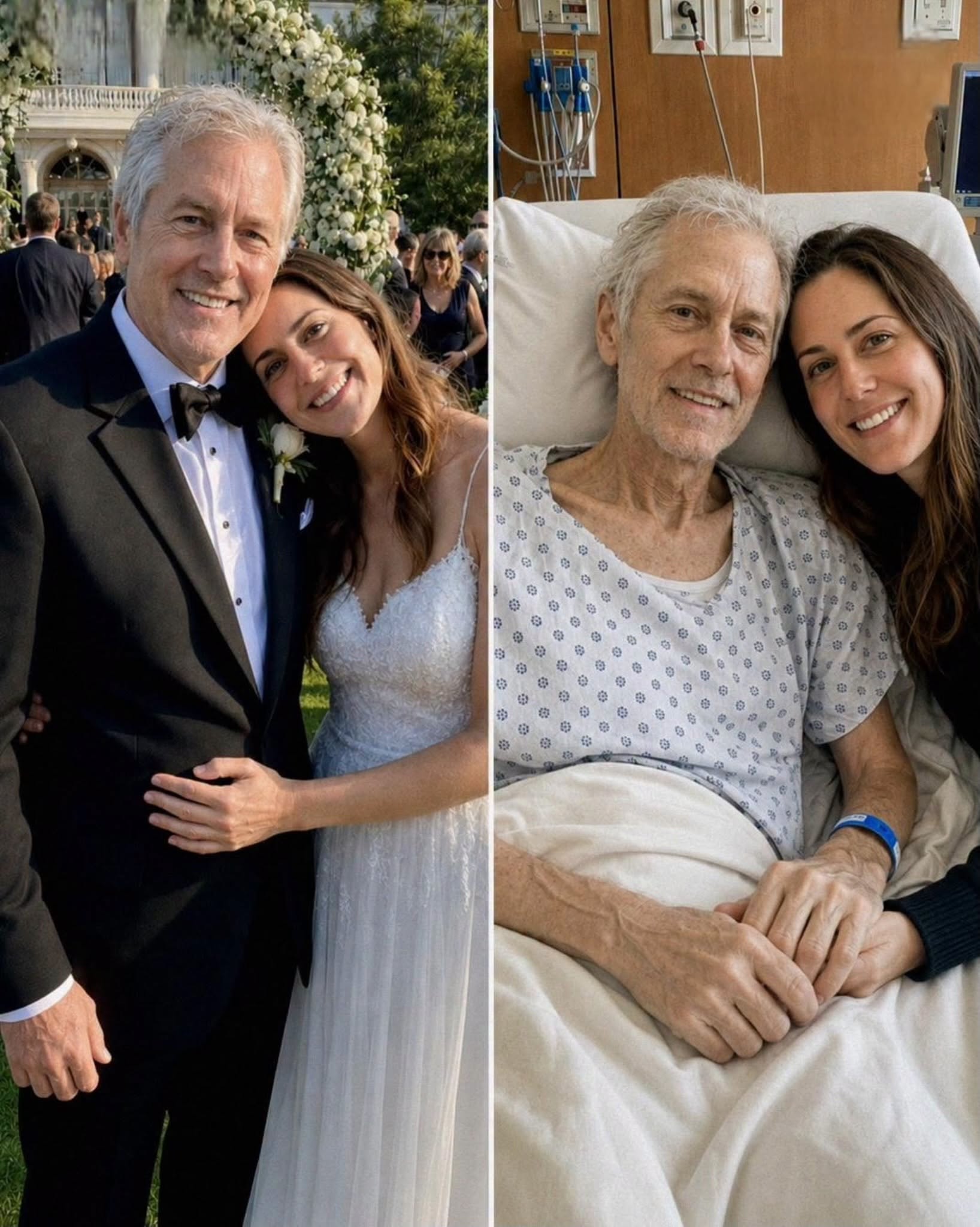
Then, tragedy struck in November. A terminal diagnosis left us with a devastating six-week window. The hospital corridors smelled harshly of antiseptic and lilies. Marlene intercepted me outside his room like a vicious guard dog, trying to block my access. But I slipped inside when she walked away. Russell was frail, his hand trembling as he grasped mine. “Don’t fight them,” he whispered with his dying breath. “Just trust me.”
The day before he passed away, he asked for his favorite blue blanket. At his funeral, his children stood across from me in matching black coats, forming a united, hostile wall while mourners completely ostracized me. After the final guests drifted away, his attorney touched my elbow and requested my presence at his office the following morning at nine, noting that Russell had left strict, sequential instructions.
The next morning, Marlene and her brothers sat like an impatient jury in the lawyer’s office. Marlene wasted no time attacking me, demanding to know when I planned to vacate her father’s estate. The lawyer calmly placed a small wooden box on the desk, instructing that Russell’s wishes be fulfilled in exact order. He slid the box toward me first. Inside lay a single folded letter and a worn photograph of me at the charity gala, caught mid-laugh while balancing my serving tray.
With shaking hands, I unfolded Russell’s letter. Before Marlene could lunge across the desk to rip it from my grasp, the lawyer opened the official will and began reading the binding terms. Gasps echoed through the room as the asset distribution was revealed. The house, the entire estate, and controlling interest in his multi-million-dollar corporation were legally bequeathed entirely to me, his wife. His ungrateful children received strictly monitored trust allowances tied to rigid behavioral clauses, with any legal contest resulting in complete forfeiture.
Marlene flew out of her chair, shrieking that I had manipulated a sick, lonely old man. I stood my ground, reading a final passage from Russell’s letter aloud to the stunned room: “I watched you refuse my check the night before the doctor called. You said you needed only me. You did not know you were carrying our child. I guessed after the tea, the mornings you went pale. I booked the appointment so you would be cared for.”
Silence swallowed the office whole. Marlene’s mouth dropped open in absolute horror. The realization hit her like a physical blow: I wasn’t just a widowed waitress; I was carrying Russell’s legal heir, securing my place in his legacy forever.
Weeks later, the legal battles ended swiftly and quietly. I secured my rightful inheritance, ensuring my unborn child would never know the sting of poverty or a leaky window frame. Sitting alone in the sunlit kitchen of the grand estate, with one hand resting gently on my growing belly and the other holding Russell’s worn letter, I finally understood the profound truth behind his parting words. He hadn’t just given me wealth; he had given me a sanctuary, true dignity, and a love that required no proof. As rain tapped softly against the glass, I smiled, knowing I was finally home.