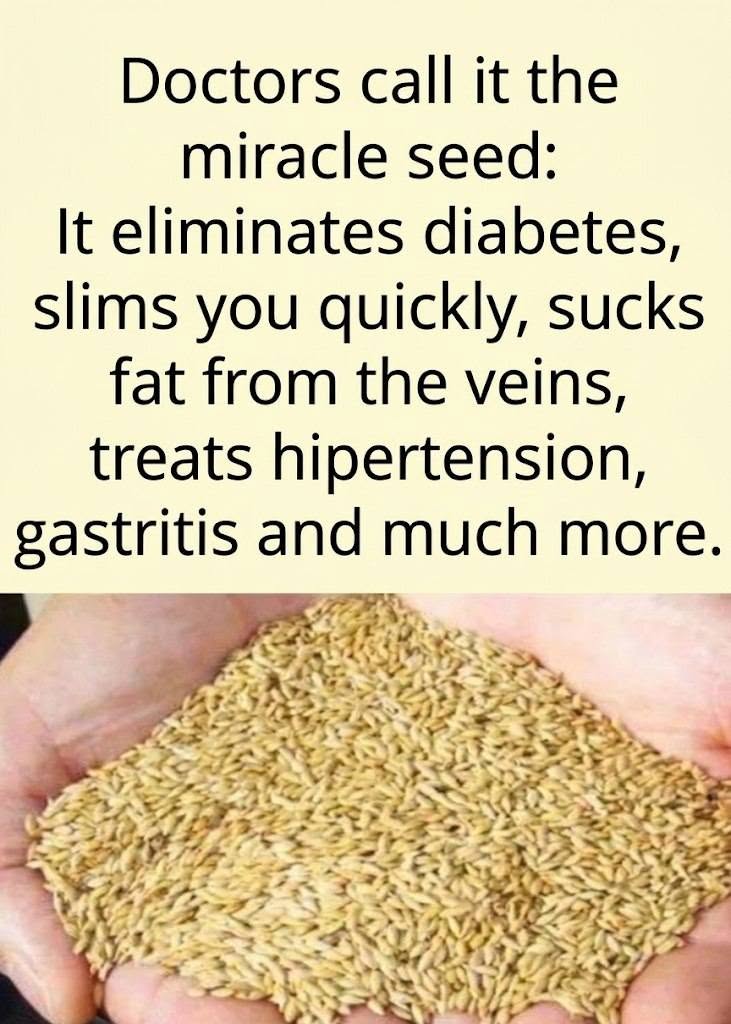
Every once in a while, a natural food or traditional remedy becomes famous for its supposed ability to transform people’s health. One such remedy is often described online as the “miracle seed,” with claims that it can eliminate diabetes, help people lose weight quickly, remove fat from the blood vessels, lower high blood pressure, and even treat stomach problems such as gastritis.
But is there any truth behind these impressive promises? Can a simple handful of seeds really make such a difference to the human body?
The answer is more interesting than you might expect.
Why Are These Seeds Getting So Much Attention?
Seeds have been an important part of traditional diets and natural remedies for centuries. Many varieties contain valuable nutrients, including fiber, plant-based protein, healthy fats, vitamins, minerals, and natural antioxidant compounds.
Depending on the type of seed, these nutrients may support digestion, cardiovascular health, blood sugar management, and overall well-being.
Some seeds have also been studied for their potential role in managing certain health conditions. However, the benefits vary considerably from one variety to another, and scientific evidence does not support the idea that any single seed can cure multiple diseases.
It is also important to remember that the exact seeds shown in the picture cannot be reliably identified from their appearance alone.
1. Can These Seeds Help Control Blood Sugar?
One reason certain seeds attract attention is their potential effect on blood glucose levels.
Some varieties, particularly fenugreek seeds, contain soluble fiber that may slow the absorption of carbohydrates during digestion. This can contribute to a smaller rise in blood sugar after meals
Research on fenugreek has suggested that it may provide modest benefits for blood glucose management in some people with type 2 diabetes.
However, this does not mean that seeds eliminate diabetes or replace prescribed medication.
People living with diabetes should monitor their blood sugar regularly and consult their healthcare professionals before introducing concentrated herbal remedies or supplements into their routines.
2. Can They Help With Weight Loss?
Seeds can be useful in a balanced weight-management diet because certain varieties are rich in dietary fiber.
Fiber helps people feel satisfied after eating, supports normal digestion, and may reduce the temptation to snack frequently.
Some seeds also provide protein and healthy fats, which contribute to a feeling of fullness.
.However, no seed can magically burn body fat or produce rapid weight loss on its own.
Healthy weight management depends on several factors, including balanced nutrition, appropriate portion sizes, regular physical activity, adequate sleep, and consistent habits.
Adding nutritious seeds to meals may support these efforts, but they should not be considered a shortcut to losing weight.
3. Do They Clean Fat From the Blood Vessels?
Another popular claim suggests that certain seeds can remove accumulated fat from the arteries and veins.
This statement is misleading.
Some seeds contain unsaturated fats, fiber, and plant compounds that may contribute to healthier cholesterol levels when included in a balanced diet.
For example, soluble fiber can help reduce the absorption of cholesterol in the digestive system.
Nevertheless, eating seeds does not physically suck fat out of blood vessels or remove existing arterial plaques.
Healthy cholesterol levels and cardiovascular health require a combination of dietary choices, exercise, medical monitoring, and appropriate treatment when necessary.
4. Can They Help Lower High Blood Pressure?
Certain seeds contain minerals such as magnesium and potassium, which play important roles in normal blood pressure regulation.
A diet rich in plant-based foods, whole grains, vegetables, fruits, nuts, and seeds can contribute to better cardiovascular health.
Some individual seeds have also been investigated for their possible effects on blood pressure.
However, the evidence varies, and eating seeds alone is not an established treatment for hypertension.
People taking blood pressure medication should never stop or reduce their medication because of an online natural remedy.
5. What About Gastritis and Digestive Problems?
Seeds containing dietary fiber may support regular bowel movements and healthy digestion.
Certain traditional preparations are also used to soothe digestive discomfort.
However, gastritis is an inflammation of the stomach lining that can have several causes, including Helicobacter pylori infection and prolonged use of certain pain medications.
Not every seed is suitable for people experiencing stomach problems. Some high-fiber foods may actually increase bloating or discomfort in sensitive individuals.
Anyone experiencing persistent stomach pain, nausea, vomiting, or unexplained digestive symptoms should seek medical advice rather than relying exclusively on traditional remedies.
6. How Can You Include Seeds in a Healthy Diet?
If you know which seeds you are using and they are safe for consumption, there are several simple ways to incorporate them into everyday meals.
Add a small amount to oatmeal or breakfast cereal.
Sprinkle suitable seeds over salads.
Mix ground seeds into yogurt or smoothies.
Add them to homemade whole-grain bread.
Include them in soups and other balanced meals.
Start with modest portions, drink enough water when increasing fiber intake, and pay attention to how your body responds.