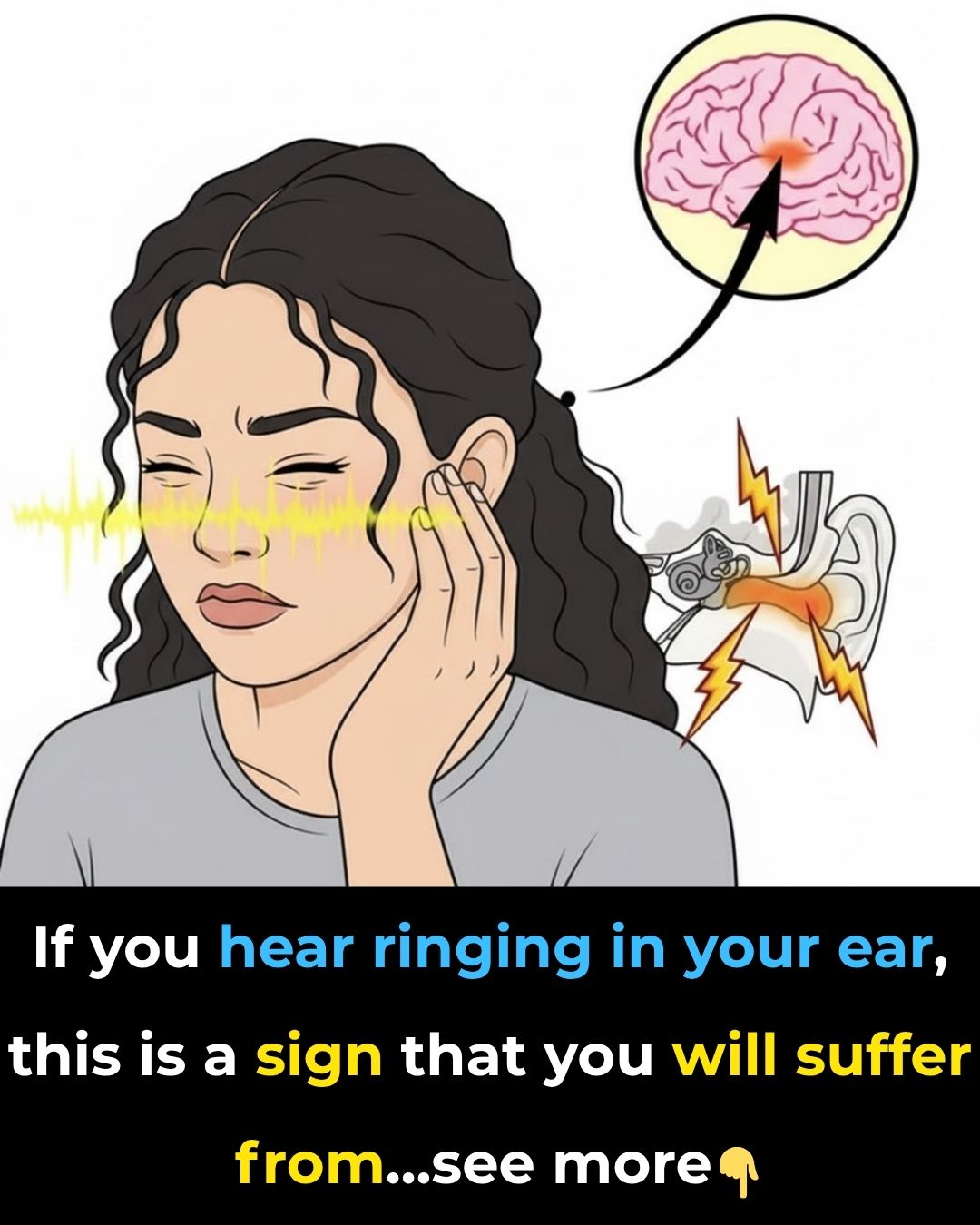
🔔 What Is Tinnitus?
Tinnitus is the sensation of hearing sounds such as ringing, buzzing, clicking, or humming in the ears without an external sound source. Sometimes it lasts only a few minutes, while in other cases it may continue for a long period.
🧠 Does Tinnitus Mean Something Serious?
In most cases, tinnitus is not dangerous. However, if it becomes persistent or appears with other symptoms, it may require medical attention.
⚠️ Symptoms That Require a Doctor Visit:
Sudden hearing loss
Severe dizziness or balance problems
Strong ear pain
Frequent headaches with ringing
Ringing in only one ear
🎧 Common Causes of Tinnitus
🔊 1. Exposure to Loud Sounds
Listening to loud music or working in noisy environments can damage hearing cells.
😰 2. Stress and Anxiety
Mental stress and anxiety can increase the awareness of ringing sounds.
👂 3. Earwax Build-Up
Blocked ears caused by earwax may lead to temporary hearing issues and tinnitus.
💊 4. Certain Medications
Some painkillers and antibiotics may cause tinnitus as a side effect.
🩺 How Is Tinnitus Diagnosed?
Doctors may perform:
An ear examination
Hearing tests
Medication review
Additional scans or tests if needed
🌿 Ways to Reduce Tinnitus
✅ Helpful Tips:
✅ Helpful Tips:
Reduce headphone volume
Manage stress and improve sleep
Avoid too much caffeine
Use calming background sounds at night
Maintain healthy blood pressure
🚫 Common Myths About Tinnitus
❌ “Tinnitus Always Means a Brain Problem”
This is false. Most cases are related to the ear itself or stress.
❌ “There Is No Treatment”
While there may not always be a complete cure, symptoms can often be greatly reduced once the cause is identified.
📌 Final Thoughts
Tinnitus is very common and usually not dangerous. However, persistent symptoms or additional problems should always be checked by a medical professional.