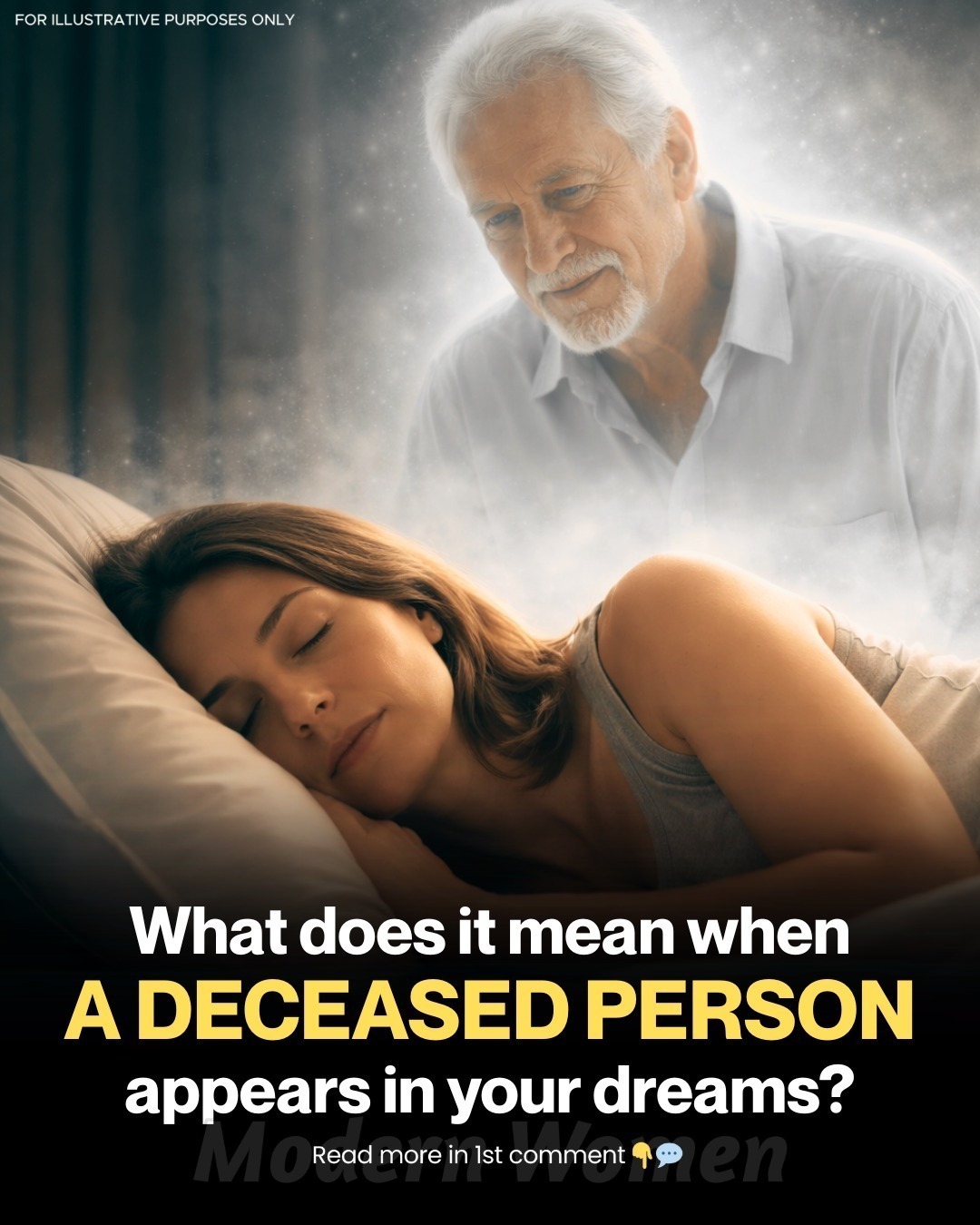
You wake in the night, heart full, eyes damp.
In your dream, they were there—laughing, speaking, simply present—just as you remember them.
For a moment, it felt real.
And when you open your eyes, the ache returns… but so does a strange comfort.
Dreams of loved ones who have passed are among the most powerful—and common—experiences of grief. They can bring solace, confusion, or even guilt. But what do they really mean?
Here’s what psychology, neuroscience, and human experience tell us—without myth, without fear.
💤 1. Your Mind Is Processing Grief (It’s Healing Work)
Grief doesn’t end when the funeral is over. It lives in your nervous system, your memories, your daily routines.
Dreams are your brain’s nighttime therapy session.
During REM sleep, your mind sorts through emotions, replays memories, and integrates loss into your life story.
🌿 What it means: These dreams aren’t “hauntings”—they’re signs your heart is doing the hard, necessary work of healing.
🗣️ 2. Unfinished Conversations Live in Your Subconscious
Did you never say “I love you” one last time?
Was there an argument left unresolved?
A question you’ll never get to ask?
Your dreaming mind often recreates scenarios where those words can be spoken—even if only in your imagination.
Your dreaming mind often recreates scenarios where those words can be spoken—even if only in your imagination.
💬 What it means: This isn’t about the other person reaching out—it’s your inner self seeking closure. The dream gives you a safe space to say what you couldn’t in life.
✍️ Try this: Write a letter to your loved one. Say everything you wish you had. Then tuck it away—or burn it as a ritual of release.
🕊️ 3. You’re Drawing on Their Love for Strength
Many report dreams where the deceased appears calm, smiling, or reassuring—especially during times of stress, big decisions, or anniversaries.
Psychologically, this is your mind accessing an internalized source of comfort. You’re not imagining them—you’re remembering how their presence made you feel: safe, seen, loved.
❤️ What it means: In moments of vulnerability, your psyche calls upon the emotional blueprint they left behind. It’s not supernatural—it’s deeply human.
🌙 4. Cultural & Spiritual Perspectives (Respectfully Held)
While science explains the mechanism, many cultures honor these dreams as meaningful connections:
In Mexican tradition, visitation dreams during Día de los Muertos are seen as blessings.
In Indigenous and African spiritual views, ancestors may offer guidance through dreams.
In Buddhist thought, such dreams reflect the ongoing karmic bond between souls.
🌍 Respectfully: Whether you see it as neural activity or spiritual contact, the emotional truth remains: the relationship still matters.
❓ When to Pay Attention (Rare Cases)
Most dreams of the deceased are normal. But if you experience:
Recurring nightmares with themes of distress or warning
Intense anxiety after the dream
Preoccupation that interferes with daily life
…it may signal complicated grief. In that case, speaking with a grief counselor can help.
💬 Final Thought
These dreams aren’t ghosts.
They’re love echoes—the lingering resonance of a bond that death cannot erase.
So when they come, don’t fear them.
Hold them gently.
Let them remind you:
“You are still connected. You are still held. And it’s okay to keep loving them—even in your sleep.”
“Grief is the price of love. And dreams are where love gets to visit.”
Have you dreamed of someone you’ve lost? Did it bring comfort or questions? Share your experience below—we’re all walking this path together. 🌼✨