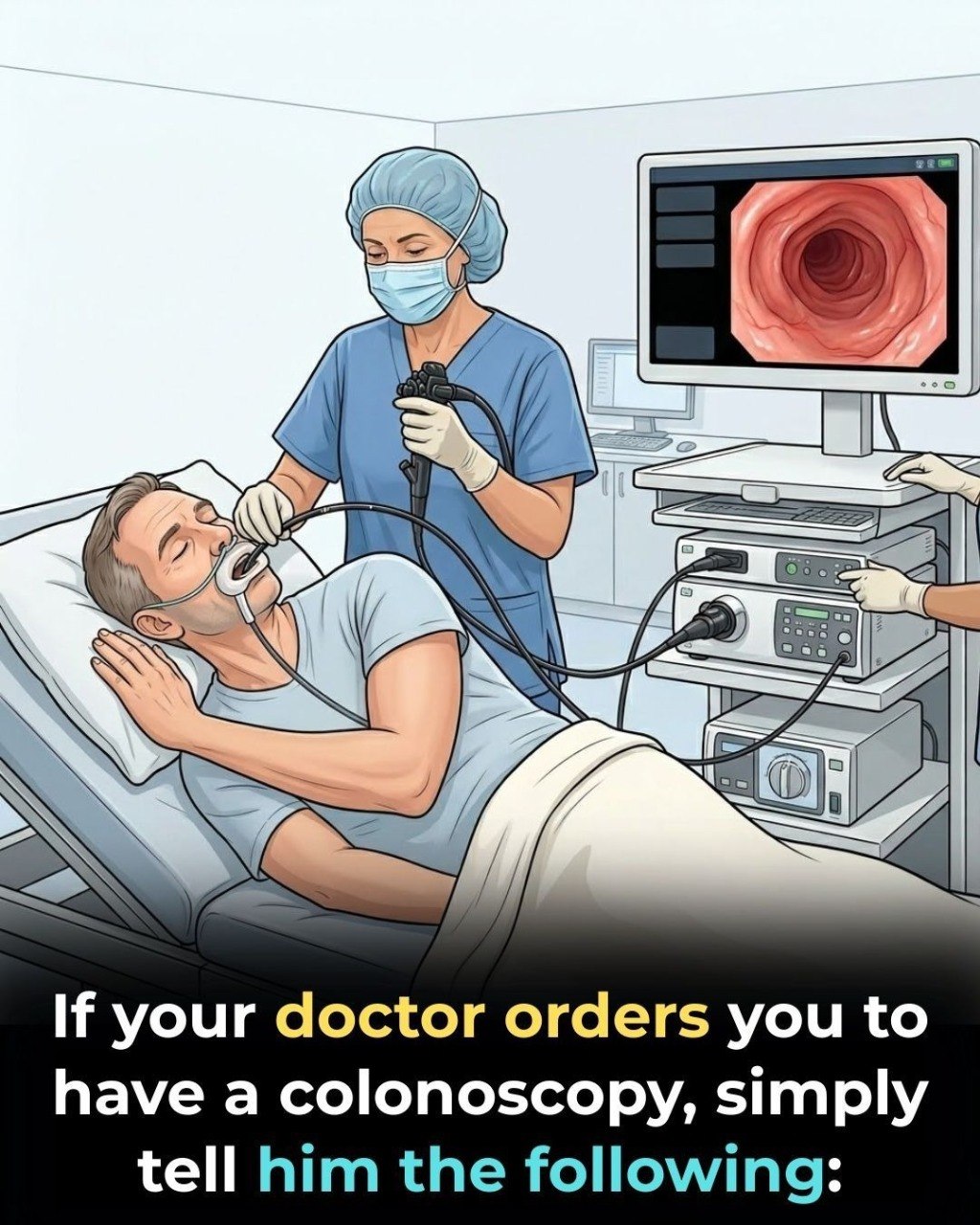
You’ve been told you need a colonoscopy. Your stomach tightens. The prep sounds miserable. The idea of sedation makes you nervous. And that voice whispers: “Do I really need this?”
Before you say no—or let fear decide for you—ask your doctor one simple question:
“Based on my personal risk factors, what specific benefit do you expect this colonoscopy to provide for me right now?”
This isn’t pushback. It’s partnership. And the answer will transform how you view the procedure—from a dreaded chore to a purposeful act of self-care.
🔍 Why This Question Matters More Than “Why Do I Need It?”
Asking “Why do I need this test?” often gets a generic answer: “It screens for colon cancer.” True—but incomplete.
Asking “What specific benefit do I gain right now?” reveals whether this colonoscopy is:
Scenario
Likely Benefit
Your Decision Clarity
Age 45+ with average risk
Screening: Finding/preventing cancer before symptoms
✅ High value—colorectal cancer is 90%+ curable when caught early
Rectal bleeding or unexplained anemia
Diagnostic: Identifying cause of active symptoms
✅ Essential—symptoms need explanation
Family history of early colon cancer
High-risk surveillance: Earlier/more frequent screening
✅ Critical for prevention
Age 76+ with no prior screening
Individualized: Weighing life expectancy vs. procedure risk
⚠️ Discuss: May still benefit—but requires nuanced conversation
Recent normal colonoscopy (within 10 years)
Likely unnecessary: Over-screening offers minimal added benefit
❌ Question timing—guidelines exist for a reason
💡 Key insight: Not every colonoscopy recommendation is equally urgent. Understanding your “why” helps you weigh benefits against discomfort—and often dissolves anxiety.
🩺 What Your Doctor Should Explain (Your Right to Know)
When you ask that key question, a thorough provider will clarify:
🩺 What Your Doctor Should Explain (Your Right to Know)
When you ask that key question, a thorough provider will clarify:
✅ Your personal risk level
→ Average risk? Family history? Genetic syndrome? Prior polyps? Inflammatory bowel disease?
This test’s specific purpose
→ Screening (no symptoms, prevention-focused) vs. diagnostic (investigating symptoms)
✅ Timing rationale
→ Why now? (e.g., “You turned 45—guidelines recommend starting screening” or “Your bleeding needs evaluation within 4–6 weeks”)
✅ What they’ll do if they find something
→ “If we see polyps, we can remove most during the procedure—preventing cancer before it starts”
✅ Alternatives (if appropriate)
→ “Stool tests like FIT or Cologuard are options for average-risk screening—but if positive, you’d still need a colonoscopy”
📌 Red flag: A doctor who dismisses questions or says “Just do it because I said so” isn’t practicing shared decision-making. Seek a second opinion.
Addressing the Real Fears (With Facts, Not Fluff)
Fear
Reality
“The prep is unbearable”
Modern preps are smaller volume (2–3L split dose). Chilling the solution + sucking on lemon drops makes it tolerable. Most say: “Worth it for one day of discomfort.”
“I’ll be awake and embarrassed”
>95% of U.S. colonoscopies use propofol sedation—you sleep deeply and remember nothing. You won’t feel, hear, or be aware of anything.
“It will hurt”
With proper sedation, pain is extremely rare. Without sedation (not recommended), cramping may occur—but sedation exists for this reason.
“I might die from complications”
Serious complications (perforation, major bleeding) occur in <0.1% of screening colonoscopies. The risk of undiagnosed colon cancer is far higher for eligible patients.
“I’ll miss work for days”
Procedure takes 20–45 mins. Recovery from sedation: 1–2 hours. Most return to normal activities the next day.