Soaking in a warm bath can feel deeply soothing at any age—but after 70, the body’s ability to regulate temperature and blood pressure changes significantly. What once felt relaxing can, under certain conditions, pose real health risks.
Here’s what older adults and caregivers need to know to enjoy baths safely.
⚠️ Key Risks of Hot Baths After 70
1. Dangerously Low Blood Pressure (Hypotension)
Heat causes blood vessels to dilate, which can lead to a sudden drop in blood pressure.
This may cause dizziness, lightheadedness, or fainting—especially when standing up quickly.
Risk is higher if you take medications for high blood pressure, heart disease, or diuretics.
2. Increased Heart Strain
The heart works harder to pump blood to the skin in hot water.
For those with heart conditions (e.g., angina, heart failure, arrhythmia), this extra demand can trigger chest pain or irregular heartbeat.
3. Dehydration & Overheating
Older adults often have a reduced sense of thirst and sweat less efficiently.
Prolonged hot soaking can lead to dehydration or heat exhaustion—even in a bathtub.
4. Higher Fall Risk
Dizziness + slippery surfaces = increased fall risk, which can lead to fractures (especially hip or wrist) in those with osteoporosis.
✅ Safe Bathing Guidelines After 70
Recommendation
Why It Matters
Water temp ≤ 100°F (38°C)
Warm—not hot. Test with elbow or thermometer.
Limit soak time to 15–20 minutes
Reduces strain on heart and circulation.
Stay hydrated
Drink water before and after bathing.
Use grab bars & non-slip mat
Prevents falls during entry/exit.
Sit while bathing if unsteady
Reduces dizziness and fatigue.
Avoid alcohol before bathing
Alcohol amplifies heat effects and lowers BP further.
💡 Pro tip: If you feel flushed, nauseous, or dizzy—get out immediately and sit down. Call for help if needed.
❌ When to Avoid Hot Baths Altogether
Consult your doctor before bathing if you have:
Unstable heart disease (recent heart attack, severe arrhythmia)
Low blood pressure (especially orthostatic hypotension)
Diabetes with neuropathy (reduced ability to sense heat → burn risk)
History of fainting or falls
Cognitive impairment (may not recognize overheating)
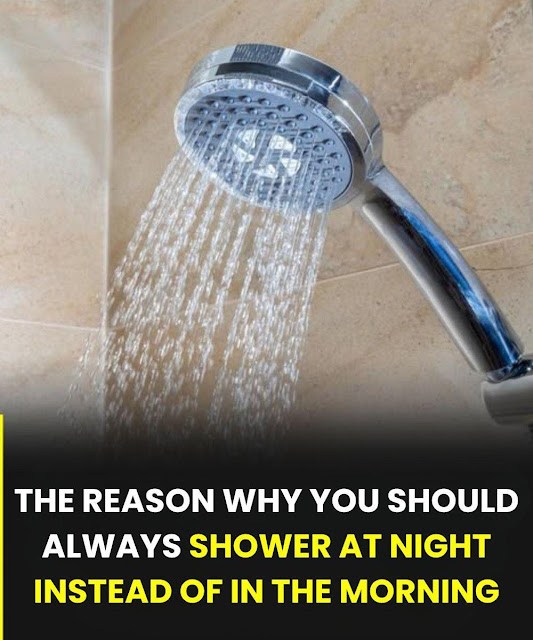
🌡️ Safer alternative: A warm shower (with a shower chair) offers similar relaxation with less cardiovascular stress.
❤️ The Bottom Line
Bathing doesn’t have to stop after 70—but temperature and timing matter more than ever. A warm (not hot) bath, taken mindfully, can still be a source of comfort, cleanliness, and calm.
“Safety isn’t about fear—it’s about respecting how your body changes with time.”
Talk to your doctor if you’re unsure—and never let pride override caution. Your well-being is worth the extra care. 🛁✨