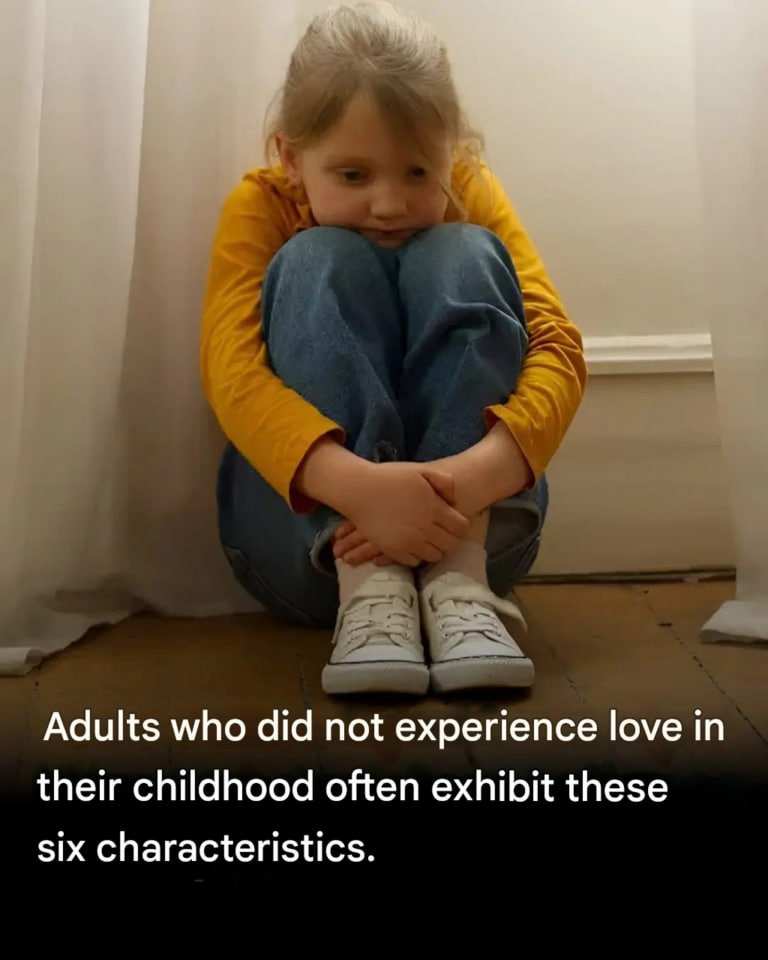
6 things adults who grew up in a childhood without affection have in common
Your current reactions could stem from emotional neglect in your past. Discover, through these revealing signs, how a lack of affection in childhood subtly manifests in adulthood.
Relationship difficulties: when the development of self-esteem has been neglected.
Imagine a building constructed on quicksand: that’s the reality for those who didn’t receive enough love in childhood. As adults, they question everything, especially their own worth. This lack of recognition in childhood leads to a particularly vulnerable self-image.
The consequences? These people unconsciously hinder their own development, miss opportunities, and are convinced they don’t deserve success. Letting go presents a real challenge in their romantic or platonic relationships: How can they open up to others when their most important people have abandoned them?
Attachment as a source of anxiety: a complex emotion that needs to be tamed.
Feeling affection can be as confusing as understanding a melody you’ve never heard before. People who experienced emotional neglect in childhood often perceive tenderness as a threat rather than a comfort. They question the sincerity of expressions of affection and fear betrayal or rejection.
This fear often leads to two contradictory attitudes: either a desperate striving for emotional closeness or a systematic withdrawal from intimacy. A painful dilemma: the longing for connection and simultaneously the reluctance to accept it.
Communicating one’s own expectations: a risky undertaking
Many have learned to bury their feelings deep inside, like hiding precious objects for fear of loss. Therefore, they find it difficult to put their emotions or desires into words. Their survival mechanism: to please others, to absorb tension in their environment, and to reluctantly give in.
Building walls? Unthinkable. They have been taught that their needs are superfluous, sometimes even inappropriate. Therefore, they withdraw from conversations, downplay their perceptions, and sometimes even lose touch with their true desires.