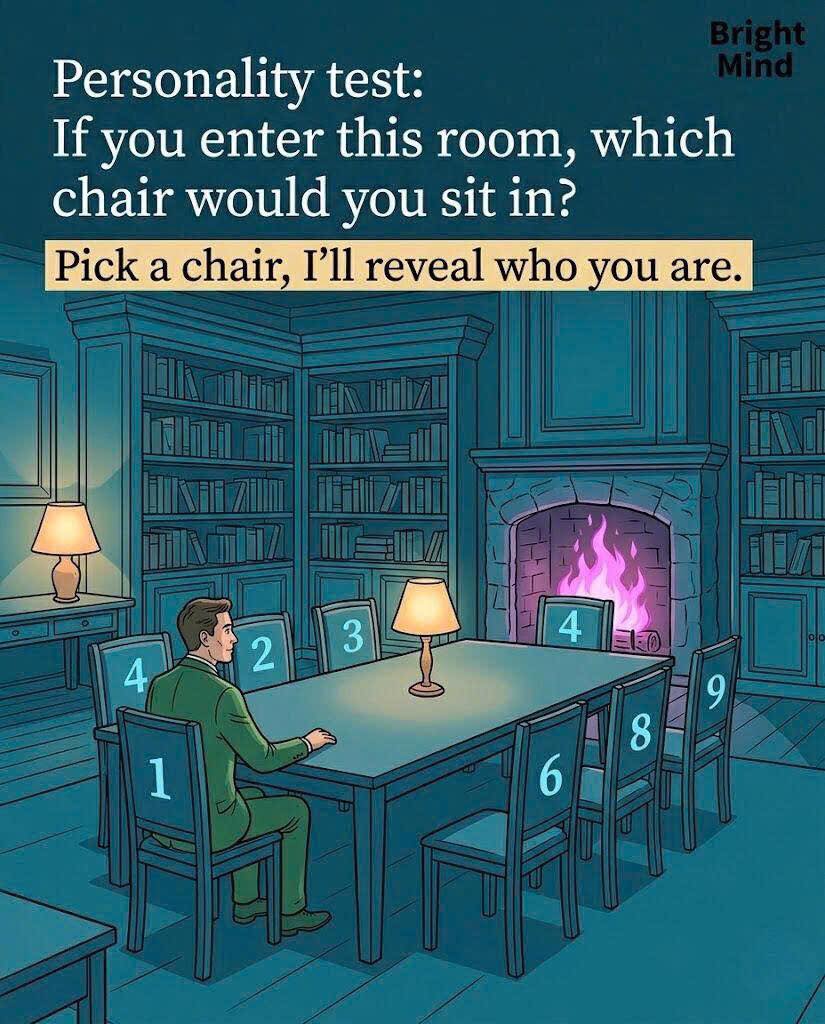
It seems like the smallest decision.
Where you sit.
At dinner.
At a meeting.
Across from someone—or beside them.
Most people don’t think about it.
They sit wherever there’s space.
But what if that simple choice…
👉 Is quietly shaping how people see you, respond to you, and connect with you?
Because the truth is:
👉 Your place at the table is not random—it’s psychological
And once you understand it…
👉 You start seeing every interaction differently.
📑 Table of Contents
The Psychology Behind Seating
Why Position Influences Connection
The Science of Distance and Interaction
Sitting Across vs Sitting Beside
The Power of Table Hierarchy
What Your Seat Says About You
How Seating Shapes Conversations
Real-Life Examples
How to Use This Knowledge
Final Thoughts
🧠 The Psychology Behind Seating
Human interaction is not just about words.
It’s shaped by:
Body language
Eye contact
Distance
Orientation
Seating controls all of these.
In psychology, this is linked to proxemics—the study of personal space and how distance affects relationships
👉 This means your seat is part of communication
Before you speak…
👉 You’re already influencing the interaction
📍 Why Position Influences Connection
Connection begins before conversation.
Where you sit determines:
How often you make eye contact
How easily you can speak
How comfortable the other person feels
Research shows that seating arrangements directly affect participation, interaction, and engagement
👉 In simple terms:
Your position controls how connected people feel.
🧬 The Science of Distance and Interaction
Distance matters more than people realize.
Studies show that closer seating increases conversation and interaction between people
At the same time:
Too much distance → reduces communication
Too little distance → creates discomfort
👉 The balance of space is what creates connection
Even subtle changes in seating can:
Increase trust
Encourage openness
Improve engagement
👥 Sitting Across vs Sitting Beside
This is one of the most important differences.
🔹 Sitting Across From Someone
When you sit directly opposite:
You create a boundary
Eye contact becomes intense
The interaction feels structured
👉 This position is often used in:
Interviews
Negotiations
Formal discussions
But it can also feel:
👉 Confrontational or distant
🔹 Sitting Beside Someone
When you sit next to someone:
Barriers disappear
The interaction feels natural
Collaboration increases
👉 This position builds trust faster
That’s why it’s common in:
Friendships
Dates
Supportive conversations
👑 The Power of Table Hierarchy
Every table has invisible power dynamics.
The most important position?
👉 The head of the table
This seat signals:
Leadership
Authority
Control
Even without speaking…
👉 People assume the person there is in charge
Research confirms that seating positions can influence how others perceive leadership and participation
🧠 What Your Seat Says About You
Your seat communicates things about you—even if you don’t realize it.
✔️ Center Seat
Signals confidence and presence
✔️ Head of Table
Signals authority and leadership
✔️ Beside Someone
Signals openness and friendliness
✔️ Far Corner
Signals distance or low engagement
👉 These signals are read subconsciously
People don’t think about it…
👉 But they feel it
🗣️ How Seating Shapes Conversations
Different positions create different communication styles.
Across Position
Direct
Focused
Structured
Side-by-Side
Relaxed
Natural
Cooperative
90-Degree (Corner Position)
Balanced
Comfortable
Less pressure
Interestingly, research shows that people sitting at angles (like 90°) often communicate more comfortably and naturally
🍽️ Real-Life Examples
You see this every day without noticing.
🍷 Dinner Dates
People often sit beside each other to create intimacy
💼 Business Meetings
Opposite seating creates structure and clarity
👨👩👧 Family Tables
Parents sit at ends—subtle authority
🧑🤝🧑 Friendly Talks
Diagonal seating creates balance
👉 These patterns exist everywhere
And they are not random.
💡 The Hidden Insight
Most people believe connection comes from words.
But often…
👉 It starts before words
Through:
Position
Space
Orientation
Even silence changes depending on where you sit.
🔄 How to Use This Knowledge
You can use seating intentionally.
✔️ Want to build trust?
Sit next to the person
✔️ Want to lead?
Sit at the head
✔️ Want open discussion?
Sit diagonally
✔️ Want less tension?
Avoid sitting directly opposite
👉 Small adjustments create powerful results
🧠 The Deeper Meaning
“Your place at the table” is more than physical.
It represents:
Your role
Your confidence
Your intention
And sometimes…
👉 Changing your seat changes the entire interaction
🔚 Final Thoughts
Next time you sit at a table…
Pause for a moment.
Look around.
Choose your seat with intention.
Because something so small…
👉 Can change how people see you
👉 Can change how they respond to you
👉 Can change how you connect