Eggshells usually go straight into the trash. After all, they look like nothing more than kitchen waste.
But before throwing them away, it is worth knowing that eggshells are made mostly of calcium carbonate, meaning they contain a significant amount of calcium. Researchers have even studied processed eggshell powder as a potential calcium source.
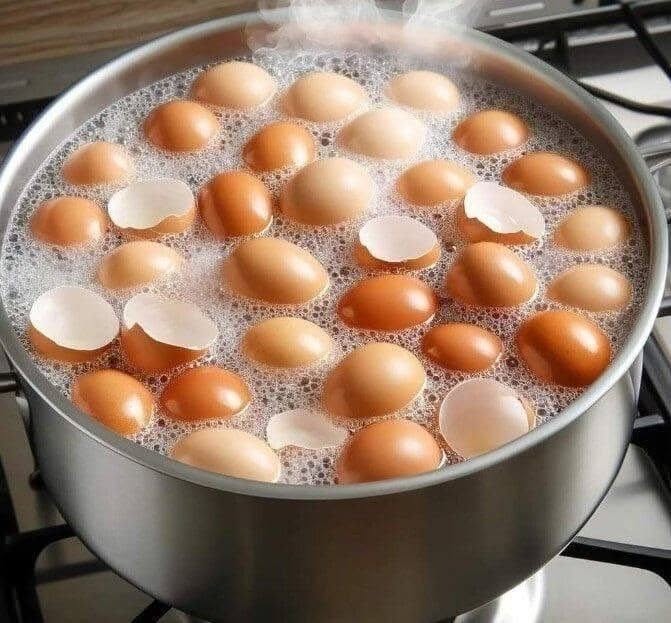
That doesn’t mean you should simply boil a few shells and drink the cooking water, as many viral posts suggest. The way eggshells are prepared matters, and homemade eggshell remedies can carry food-safety risks.
However, there are several practical ways to reuse them—especially around the garden.
1. Eggshells Can Add Calcium to Garden Soil
One of the most common uses for crushed eggshells is as a source of calcium for soil.
Eggshells contain a large proportion of calcium carbonate. When shells are broken down in soil, that calcium can eventually become available, although the process is relatively slow.
This means eggshells aren’t a magical instant fertilizer.
If you simply scatter large pieces of shell around a plant, you shouldn’t expect the plant to suddenly grow faster the next morning.
The better approach
Wash the shells, allow them to dry, and crush them into small pieces or a fine powder.
Discover more
meat
Shop Air Fryers
Book Pest Control
The smaller the particles, the greater the surface area exposed to moisture and microorganisms, which can help the material break down over time.
2. Add Crushed Eggshells to Compost
Eggshells can also be added to a home compost pile.
Instead of throwing them into the garbage, rinse them and crush them before adding them to the compost.
They contribute mineral material rather than acting like a conventional nitrogen-rich fertilizer.
A useful habit is to crush shells whenever you use eggs and keep them in a container until you’re ready to add them to your compost.
3. They Can Be Useful Around Certain Plants
Discover more
Buy Bug Kits
Read Reviews
Save on Rx
Gardeners sometimes use finely crushed eggshells around plants as part of their soil-management routine.
However, it’s important not to assume that every plant needs additional calcium.
Many garden soils already contain plenty of calcium.
If a plant is struggling, the problem might instead be related to:
Soil pH
Watering
Nitrogen
Potassium
Phosphorus
Poor drainage
Root damage
Disease
Insufficient sunlight
Adding more eggshells won’t necessarily solve the actual problem.
4. Eggshells Are Not a Complete Fertilizer
This is one of the biggest misconceptions surrounding eggshells.
Because they contain calcium, people sometimes describe eggshells as a complete natural fertilizer.
They aren’t.
Plants need several essential nutrients, including nitrogen, phosphorus, potassium, magnesium, sulfur and various micronutrients.
Eggshells primarily contribute calcium carbonate.
So think of them as a potential soil amendment, not a replacement for balanced plant nutrition.