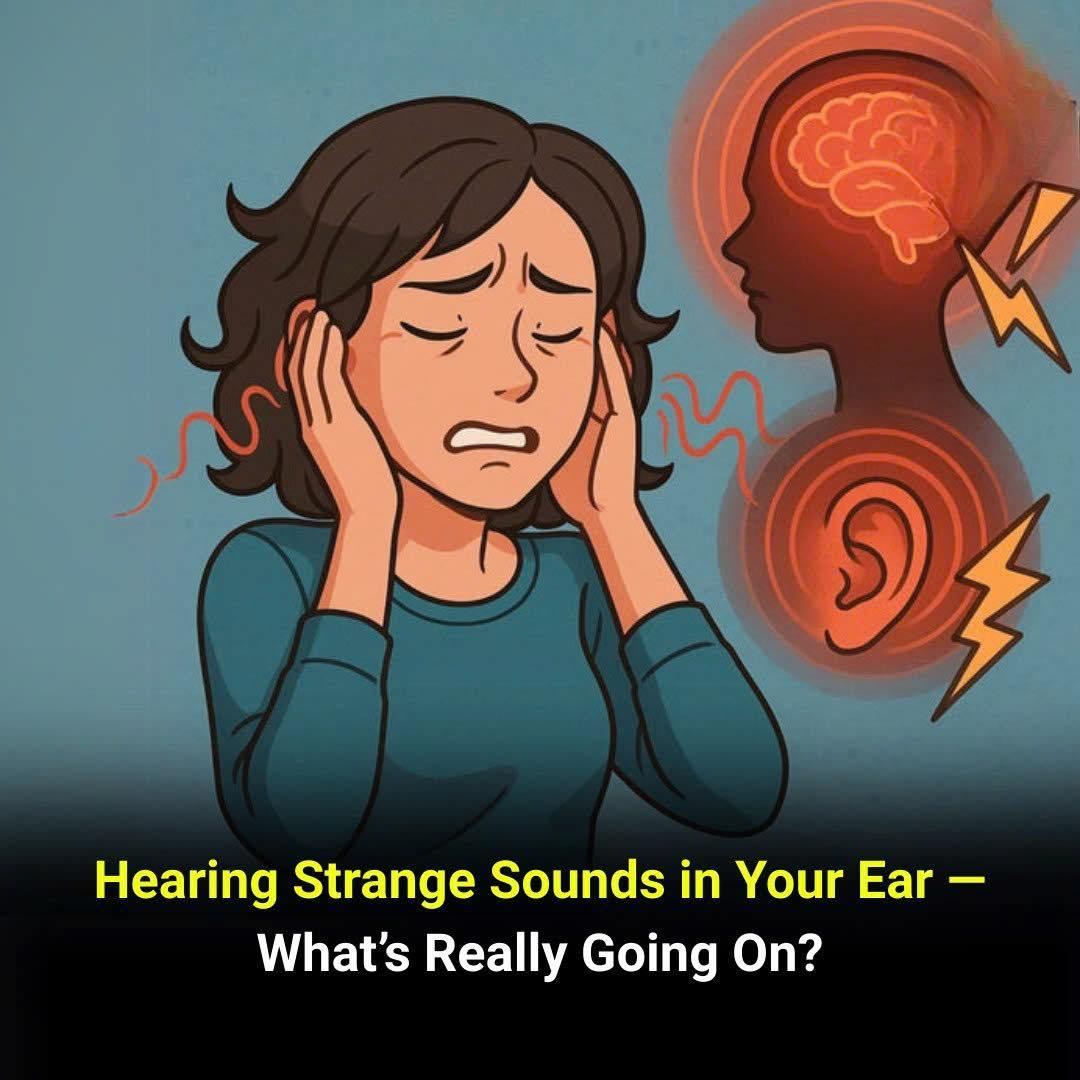
Tinnitus is the perception of sound in the ears or head without an external sound source. It can manifest as whistling, buzzing, clicking, or rumbling.
It can be constant or intermittent, in one ear or both.
Tinnitus is not a disease, but a symptom often associated with hearing loss, noise exposure, stress, or certain medical conditions. While there is no universal cure, several approaches—such as hearing aids, sound therapy, and stress management techniques—can greatly reduce its impact on quality of life.
Living with Noise Intolerance
Noise intolerance encompasses several conditions where sounds, even those of low intensity or harmless to most people, cause discomfort, pain, or an intense emotional reaction.
It can significantly affect quality of life and social interactions.
The four main forms of sound intolerance are: hyperacusis, misophonia, hypersonicity, and phonophobia.
Hyperacusis is auditory hypersensitivity: sounds seem abnormally loud or painful, even when they are at a normal volume for others.
This reaction is often linked to an imbalance in the auditory system or an alteration in sound processing in the brain.
Misophonia is not a sensitivity to volume, but an intense emotional reaction to certain specific sounds, often produced by other people (eating, breathing, typing, etc.).
The term hypersonicity is sometimes used to describe an increased perception of the intensity of sounds, without pain or a marked emotional reaction.
Sounds simply seem louder or more prominent than normal.
Phonophobia is a fear of sounds. Here, the primary reaction is anxiety or avoidance, rather than physical hypersensitivity.
Consult our team to validate the type of sound intolerance you have, in order to provide you with the best treatment or management option.
Tinnitus is not a disease, but rather a symptom. Many theories exist to explain the causes of tinnitus. However, it remains one of the greatest mysteries of the human ear. There is a strong link between hearing loss and tinnitus. In fact, the majority of people suffering from tinnitus have some degree of hearing loss. There are several aggravating factors that can be addressed to lessen the perception of tinnitus. The audiologist will present them all to you and assess with you whether a change in your lifestyle habits could help. A recent hearing evaluation is a prerequisite for this service. Our Approach Our follow-up program combines: A comprehensive audiological evaluation to understand the origin and nature of tinnitus Personalized advice to reduce the impact of unwanted sounds on daily life Auditory rehabilitation and habituation techniques, tailored to each patient Ongoing support to monitor progress and adjust strategies Why choose specialized follow-up? To better understand the causes and triggers of tinnitus To learn effective strategies to reduce its impact on daily life To receive ongoing professional support and avoid isolation in the face of symptoms To prevent the worsening of sound perception and improve auditory comfort.