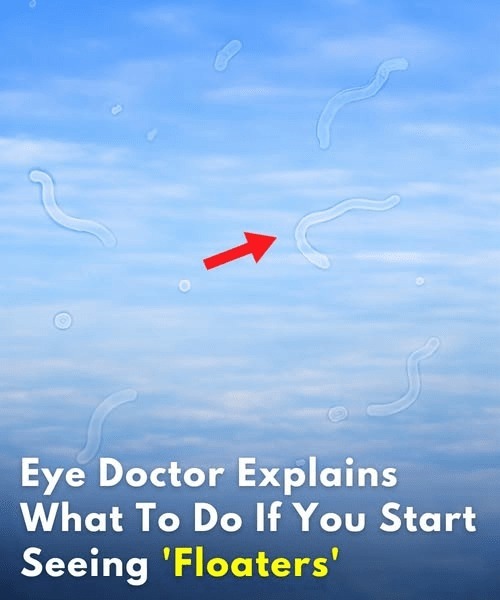
Those little specks, strings, or cobwebs drifting across your vision can catch you off guard when you first notice eye floaters. They seem to dance away when you try to focus on them, leaving you wondering what’s going on inside your eyes. The sudden appearance of eye floaters often sparks worry and frustration, especially when they interfere with reading, driving, or simply enjoying a clear view of the world around you.
But here’s the reassuring part: most eye floaters are a normal part of aging and not a threat to your sight. Still, understanding when eye floaters might point to something more keeps that anxiety from lingering – and there’s one key step many people miss that can make all the difference.
👁️ What Exactly Are Eye Floaters?
Eye floaters are those shadowy shapes that appear to float in your field of vision. They might look like black or gray dots, threads, squiggly lines, or even cobweb-like structures. Eye floaters move as your eyes move and often drift away when you try to look directly at them.
The truth is, eye floaters can be incredibly distracting at first. Many people describe feeling constantly aware of them, which adds stress to daily activities and raises concerns about long-term vision changes.
These shadows are actually cast by tiny bits of debris floating inside the eye’s vitreous – the clear, gel-like substance that fills the space between the lens and retina.
🔍 Common Causes Behind Eye Floaters
The most frequent cause of eye floaters is age-related changes in the vitreous gel. As we get older, this gel begins to shrink and become more liquid, forming clumps or strands that cast shadows on the retina – creating the eye floaters you see.
But that’s not all. Eye floaters can also appear after eye inflammation, bleeding inside the eye, or following cataract surgery. Dealing with persistent eye floaters can feel exhausting, especially when they disrupt your focus during work or leisure time.
Research shows that eye floaters become more common after age 50, and they’re especially noticeable against bright backgrounds like a clear sky or white wall.
⚠️ When Eye Floaters Could Signal a Bigger Concern
While most eye floaters are harmless, a sudden increase can sometimes indicate a more serious issue. For instance, if the vitreous pulls away from the retina too forcefully, it might cause a retinal tear – and untreated tears can lead to retinal detachment.
The fear of losing vision is real when eye floaters appear alongside other symptoms. That curtain-like shadow or burst of flashes can trigger immediate panic, making it hard to think clearly about next steps.
Here’s the thing: recognizing warning signs early is crucial for protecting your sight.
Key Symptoms That Require Prompt Attention
If new eye floaters come with any of these, contact an eye care professional right away:
Sudden shower of new eye floaters
Flashes of light in your peripheral vision
A dark curtain or shadow moving across your field of view
Blurred vision or loss of side vision
Eye pain or redness accompanying the eye floaters
Common Benign Eye Floaters Potentially Serious Eye Floaters
Gradual onset over months or years Sudden onset or rapid increase
Few in number, stable over time Many new ones appearing at once
No other symptoms Accompanied by flashes or vision loss
More noticeable in bright light Persistent even in dim conditions
Common with aging May follow eye injury or surgery
🩺 What to Do When You Notice New Eye Floaters
The first step with new eye floaters is simple: don’t ignore them, but don’t panic either. Start by monitoring how they behave over a few days.
That constant worry about whether eye floaters mean something worse can be draining. The good news is that a professional evaluation brings clarity and peace of mind.
Schedule an eye exam soon, especially if the eye floaters are persistent or bothersome. Your eye doctor will dilate your pupils to examine the vitreous and retina thoroughly.
Practical Steps to Support Overall Eye Health
While you can’t always prevent eye floaters, certain habits can help maintain healthy vision and potentially reduce strain that makes eye floaters more noticeable.
Living with distracting eye floaters often highlights how precious clear vision is. Small daily changes can make a meaningful difference in eye comfort.
Here are actionable tips you can start today:
Follow the 20-20-20 rule: Every 20 minutes, look at something 20 feet away for 20 seconds
Wear UV-protective sunglasses outdoors
Stay hydrated to support vitreous health
Manage conditions like diabetes that affect eye health
Eat foods rich in antioxidants (think leafy greens, berries, and fish)
Avoid rubbing your eyes vigorously
Get regular comprehensive eye exams
Many people find that over time, the brain adapts to benign eye floaters, making them less noticeable. Shifting focus to something else often helps them drift out of direct view temporarily.
Final Thoughts on Managing Eye Floaters
Eye floaters are a common experience that most people learn to live with comfortably. Understanding their usual harmless nature while staying alert to warning signs empowers you to protect your vision effectively.
The key takeaway? Prompt attention to sudden changes in eye floaters can prevent rare but serious complications.
Frequently Asked Questions About Eye Floaters
Are eye floaters dangerous?
Most eye floaters are benign and simply part of normal aging. However, sudden or numerous new eye floaters warrant professional evaluation.
Can eye floaters go away on their own?
Many eye floaters become less noticeable over time as they settle or your brain adapts, though they rarely disappear completely.
When should I see a doctor for eye floaters?
Seek care promptly if eye floaters appear suddenly, increase dramatically, or occur with flashes, shadows, or vision changes.
Disclaimer: This article is for informational purposes only and does not constitute medical advice. Always consult a qualified eye care professional for personal concerns about eye floaters or vision changes. Early evaluation is the best way to ensure eye health.