At twenty-five, my life was a blueprint of predictable success. As a structural engineer, I understood foundations—how they supported weight, how they resisted pressure, and how they kept everything from collapsing. I was planning a wedding, paying off a honeymoon in Maui, and listening to my mother, Naomi, fret over my diet and stress levels. My fiancée, Jenna, was the perfect partner in this curated life. She talked about our future children and helped me pick out an espresso machine for our registry. Then, the foundation of my world didn’t just crack; it vanished.
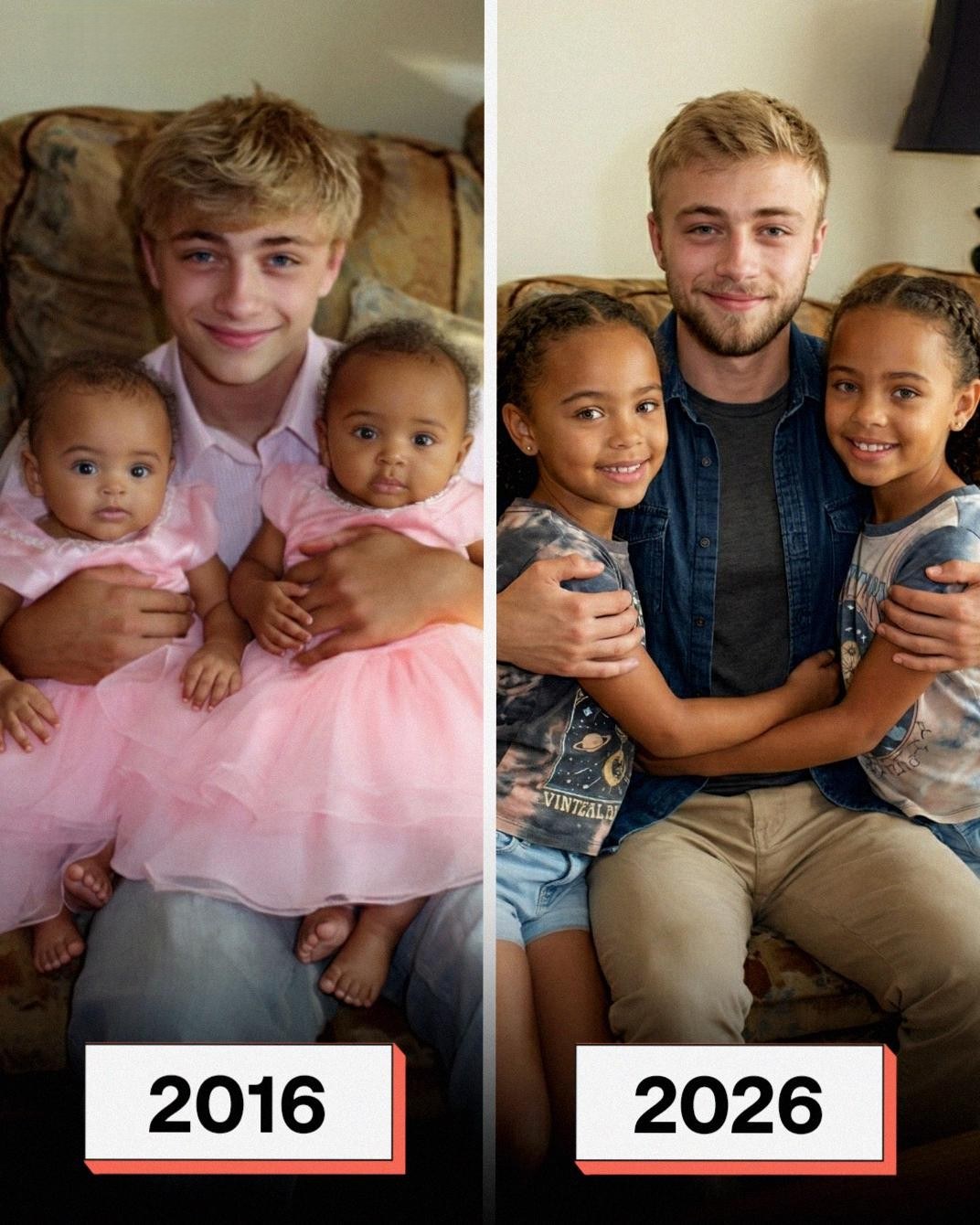
My mother was killed in a car accident while running a mundane errand: picking up birthday candles for my twin sisters, Lily and Maya. They were turning ten. In the blink of an eye, I was no longer a groom-to-be or a rising professional. I was a father. Our biological father, Bruce, had abandoned us a decade ago when the twins were born, leaving me as the only person left to stand between those two little girls and a foster care system that would surely swallow them whole.
I moved back into my childhood home that night, leaving my independent adult life behind. The transition was agonizing. Lily and Maya were ghosts of themselves, clinging to their backpacks and speaking in whispers. I was drowning in grief and legal paperwork until Jenna stepped in. She was my lifeline. She moved in two weeks after the funeral, transforming into a domestic saint. She braided their hair, packed organic lunches, and sang to them. When Maya, the more sensitive of the two, added Jenna’s name to her school emergency contact list, Jenna wept. She told me she had finally found the sisters she always dreamed of. I believed I was the luckiest man alive, protected by a woman who shared my mother’s heart.
The illusion shattered on a Tuesday afternoon. An overcast sky had sent me home early from a site inspection, the heavy grey clouds mirroring a sudden, inexplicable sense of dread. I entered the house quietly, expecting to find the girls doing homework or Jenna preparing dinner. Instead, the hallway—warm with the scent of cinnamon buns—became the stage for a nightmare.
I heard Jenna’s voice coming from the kitchen. It wasn’t the melodic, comforting tone she used with me. It was a cold, sharp blade of a voice. She was telling my ten-year-old sisters not to get comfortable. She told them they wouldn’t be staying long and that she wasn’t going to waste the final years of her twenties raising “someone else’s kids.” My blood turned to ice as I listened to her demand that the girls lie to the social worker during their upcoming adoption interview. She wanted them to say they wanted to leave, to go to a foster family who could “deal with their sadness.”
When Maya began to sob, Jenna didn’t comfort her. She threatened her. She told Maya she would throw away her precious journals—the only place the girl felt safe expressing her grief—if she didn’t “grow up.” Jenna spoke about them as if they were obstacles to her wedding planning, mere “leftovers” from a life she wanted to scrub clean.
I retreated to my car, my heart hammering against my ribs like a trapped bird. I sat in the driveway, staring at the rearview mirror, barely recognizing the man looking back. The betrayal was absolute. Every braid she had tied and every lullaby she had sung was a strategic move in a long game. She didn’t just want the girls gone; she wanted my mother’s house and the insurance money. She was waiting for me to put her name on the deed before she made the girls’ lives so miserable that I would eventually agree to send them away, thinking it was my own idea.
I realized then that Jenna wasn’t a partner; she was a predator. But I couldn’t just kick her out. Not yet. I needed to ensure she could never crawl back into our lives or spin a narrative that made me look like the unstable one. I needed a final, public reckoning.
I walked back into the house an hour later with a forced smile and a box of pizza. That night, I played the part of the exhausted, wavering guardian. I told Jenna that maybe she was right—that maybe the girls deserved a “real” family and that I was failing them. The way her eyes lit up with predatory triumph was the most sickening thing I had ever seen. When I suggested we stop waiting and get married that very weekend in a massive, “fresh start” celebration, she was ecstatic. She was on the phone with florists before dawn, posting pictures of her ring on social media with captions about “forever.”
While Jenna planned a wedding, I planned an execution. I contacted the hotel, my mother’s old friends, and the neighbors. I also spent hours reviewing the footage from the nanny cams my mother had installed years ago. She had been a paranoid, protective woman who worked long hours, and those cameras had remained active, tucked away and forgotten by everyone but me.
The night of the “wedding” arrived. The ballroom was a sea of white linens and flickering candles. Jenna looked breathtaking in lace, floating through the room like a queen. She played her role to the end, even stopping to adjust Lily’s hair with a fake, motherly smile. I stood there in the navy suit my mother had helped me buy, feeling her presence in the fabric. Lily and Maya stood by my side, their small hands gripping mine. They knew. I had told them the truth, and for the first time since the accident, they looked at me with total trust.
When it was time for the speeches, Jenna took the microphone to toast to “love and family.” I stepped forward, gently taking the mic from her. I told the room we weren’t just there to celebrate a wedding; we were there to reveal the truth.
I pressed a remote in my pocket. The massive projector screen behind us flared to life. The guests, including Jenna’s own parents, watched in stunned silence as the grainy footage of the kitchen played. Jenna’s voice filled the hall, calling the girls “leftovers” and detailing her plan to steal the insurance money and the house. The room grew cold as the recording of her threatening to throw away Maya’s journals echoed off the high ceilings.
The fallout was instantaneous. A glass shattered somewhere in the back. Jenna’s face went from pale to a ghostly, mottled grey. She tried to claim the footage was edited, that she was just “venting” under pressure, but the cruelty in her recorded voice was undeniable. I watched as her own father turned his back on her and walked out of the ballroom. I told her she wasn’t just losing a husband; she was losing everything. I had the security team escort her out as she screamed that I was ruining her life.
“You were going to ruin theirs,” I said quietly, looking at my sisters.
The aftermath was a whirlwind of legal finalities. I filed a restraining order the next morning. A week later, the adoption was made official. In the judge’s office, as the girls signed the papers that legally made them my daughters in every way that mattered, the fear that had shadowed them for months finally evaporated.
That night, the three of us sat in our kitchen. There were no organic lunches or Pinterest-perfect decorations—just a messy pot of spaghetti and the sound of music playing too loud. We lit a candle for my mother, and Lily whispered a thank you to the flame. We were no longer a temporary arrangement or a burden to be managed. We were a family, forged in the fire of betrayal and held together by a foundation that no one could ever shake again. We were safe, we were home, and for the first time, we were whole.