As you drift off to sleep, does your body sometimes jerk as if you were falling? This very common phenomenon is usually harmless. Discover why these jerks occur and how to avoid them for a better night’s sleep.
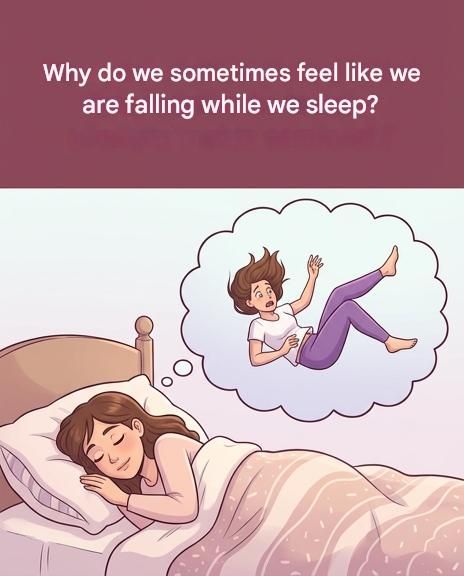
You’re just about to fall asleep, snuggled up under the covers, when suddenly your body jolts as if you’re falling into a void? This strange sensation is very common and sometimes a little unsettling. However, it’s generally normal. This surprising phenomenon happens to many people, and there are simple explanations as well as tips to reduce it and improve your sleep.
Why does the body tremble before sleeping?
These twitches that occur just before falling asleep have a name: hypnic jerks. They appear as the body transitions from wakefulness to sleep. At this time, the entire body gradually slows down: breathing becomes calmer, the heart rate decreases, and the muscles relax.
But sometimes, this relaxation happens too quickly. The brain can then interpret this muscle relaxation as a sensation of falling. It therefore sends a signal to the muscles to contract abruptly, causing that familiar jolt that wakes us with a start.
This is why many people feel like they’re falling, stumbling, or missing a step just before falling asleep. This phenomenon is one of the most common sleep disturbances and is generally harmless.
A very common and harmless phenomenon
If this happens to you, rest assured: you’re not alone. Many adults have experienced these jolts at least once in their lives. Some people experience them rarely, others more often, especially during periods of fatigue or stress.
In most cases, this phenomenon is normal and doesn’t mean anything in particular. The body is simply switching to rest mode, and sometimes the transition is a little abrupt.
On the other hand, if these jolts prevent sleep or become very frequent, it may be helpful to improve your evening habits.
This promotes shaking before sleeping
Several factors can increase the likelihood of experiencing these nighttime startle reflexes. For example:
Significant fatigue
Stress or very busy days
Caffeine consumed at the end of the day
Screens before bed
An irregular sleep pattern
Intense exercise late at night
The more the body and brain are stimulated before bedtime, the more restless sleep can be. Improving sleep onset often involves reducing these factors.
How to reduce these jolts to sleep better
Good news: a few simple habits can improve falling asleep and reduce these muscle contractions.
Try, for example:
Avoid coffee or tea at the end of the day
To go to bed at regular times
Reduce screen time at least 30 minutes before bedtime
To do gentle stretches in the evening
To practice deep breathing
To read a few pages of a book to relax
To keep the room calm, dark and slightly cool
Creating a small evening routine helps the body understand that it’s time to slow down.
Small habits that make all the difference
Some simple habits can improve sleep quality:
Avoid heavy meals in the evening
Air out the room before sleeping
Use soft lighting in the evening
Listen to calming music or relaxing sounds
Go to bed at the first signs of fatigue
Sleep is largely determined by habits. The more regular they are, the easier and more natural falling asleep becomes.
A signal that your body is falling asleep
Although these twitches may seem surprising, they are often simply a sign that the body is falling asleep. It’s a transition between daytime activity and nighttime rest.
By improving your evening routine, reducing stress, and adopting regular sleep schedules, these jolts generally become less frequent and nights more restful.
Because ultimately, sleeping well often starts with small, simple habits that we put in place every night.