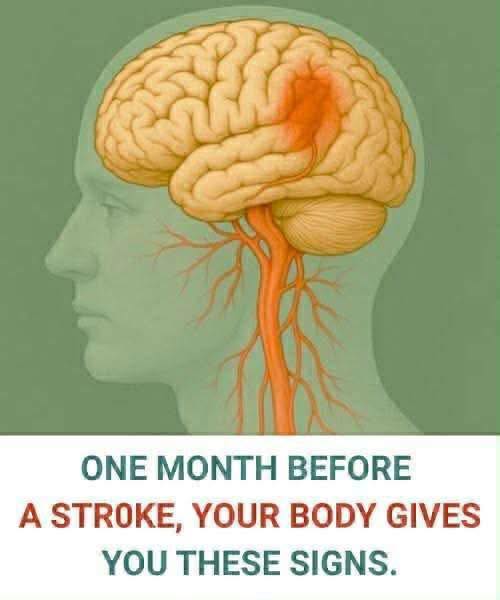
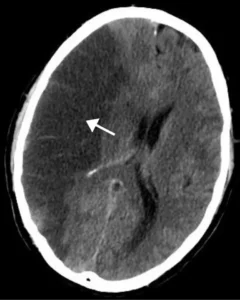
A stroke can happen suddenly and without any warning. It occurs “when blood flow to the brain ceases, leading to the death of brain cells in that area,” according to Healthline.
One of the most crucial steps to take if a stroke occurs is to get medical assistance immediately. The American Heart Association (AHA) and American Stroke Association (ASA) published guidelines in 2018 for the Early Management of Patients With Acute Ischemic Stroke, stating that individuals who receive “a blood clot-dissolving medication within 4.5 hours of the onset of symptoms have a higher likelihood of recovering without significant disability.”
To respond swiftly in the event that you or someone else has a stroke, it is vital to recognize the signs that indicate a stroke has occurred.
According to the Stroke Association, some of these signs include:
Face Weakness: Check if the individual can smile and if their face or eyes droop.
Arm Weakness: Can the person lift both arms and maintain that position?
Speech Problems: Is their speech slurred? Do they communicate clearly and comprehend what you are saying?
Time to call 999: If you observe any of these signs, seek medical assistance.
This assessment is referred to as FAST.
While there are no definitive warning signs that a stroke is imminent, a 2020 study published in The Journal of Headache and Pain indicates that approximately 15% of 550 adult participants who experienced an ischemic stroke reported having a sentinel headache beforehand.
A transient ischemic attack (TIA), commonly known as a “mini-stroke,” occurs when blood flow to the brain is temporarily obstructed, resulting in stroke-like symptoms that usually last for a few minutes or hours. TIAs should never be overlooked.
According to the research, these headaches began within a week of a stroke and continued until the stroke occurred.
One-third of people who have had a TIA will experience a more severe stroke later on.
While a TIA can act as a warning for a stroke, the number of individuals who suffer an acute stroke within 90 days following a TIA has declined in recent years, according to a recent study published in Jama Network. This might suggest that the measures taken after a TIA are effective in lowering the risks.
Other signs that can help identify if someone has had a stroke include:
Numbness or Weakness: A sudden onset of numbness or weakness in the face, arms, or legs, especially on one side of the body.
Confusion or Difficulty Speaking: Issues with understanding speech or slurred speech.
Vision Problems: A sudden loss of vision in one or both eyes or experiencing blurred vision.
Difficulty Walking: Symptoms such as dizziness, loss of balance, or uncoordinated movements.
The Importance of Taking Immediate Action
In a medical emergency, acting swiftly can be a matter of life and death. If you or someone nearby shows any symptoms, don’t hesitate to call emergency services right away. Prompt treatment minimizes the chances of lasting damage and enhances the possibility of a complete recovery.
Conclusion
Being aware of your risk factors and being prepared helps you manage an emergency effectively.