Most people don’t think twice after tapping the power button on an appliance. Off is off, right? Not exactly. Behind the quiet hum of your home, a small but steady stream of electricity often keeps flowing—even when you think everything is shut down. And while a few watts here and there don’t seem like much, those drips of wasted energy can pool into something surprisingly expensive.
The truth is simple: unplugging appliances does save electricity. But the long answer—the one people rarely hear—is far more interesting, and it explains why that habit can cut down your bill, reduce risks at home, and help you understand where your power is going.
It starts with a concept most households never think about: standby power, better known as vampire power. It’s exactly what it sounds like—devices that quietly suck energy from your outlets long after you’ve walked away. That little glow under your TV, the hum of your microwave clock, your phone charger left plugged in with nothing attached—those are tiny vampires attached to your wall.
Manufacturers build standby functions into nearly everything now. They let devices wake instantly, keep internal systems primed, run clocks, stay connected to Wi-Fi, or remain ready for the next remote-control command. Handy, yes. Efficient? Not always.
Individually, each appliance’s drain is small—maybe a fraction of a watt to a few watts. But multiply that by dozens of gadgets, chargers, kitchen appliances, entertainment systems, and cable boxes, and your home starts drawing power even when all the lights are off. The U.S. Department of Energy estimates that phantom load can add up to 10% of your entire household electricity use. That’s not pocket change—that’s a couple weeks’ worth of groceries.
If your energy bill feels a little too high for the lifestyle you live, this is where the mystery charge often hides.
So how much can you actually save? Enough to make the habit worthwhile. People who unplug through the day—especially overnight—regularly notice lighter bills because they’re cutting out the power their home was quietly consuming while they slept or worked. The savings vary depending on how tech-heavy your home is, but the reduction is real, consistent, and long-term.
Still, unplugging everything isn’t practical. Some appliances are built to run 24/7. Your refrigerator, for example, is essential and designed to stay powered. The same goes for your Wi-Fi router, unless you’re leaving town for a long stretch. But plenty of things don’t need a constant power pipeline. Toasters, blenders, countertop coffee makers that mostly collect dust, gaming consoles sitting idle for days, chargers abandoned in wall sockets—these are prime candidates.
Even your TV, which spends most of its life waiting for the next binge-watching session, is perfectly fine to unplug when you know you won’t use it for a while. As long as you don’t mind it taking an extra second to power up, unplugging it cuts the standby drain instantly.
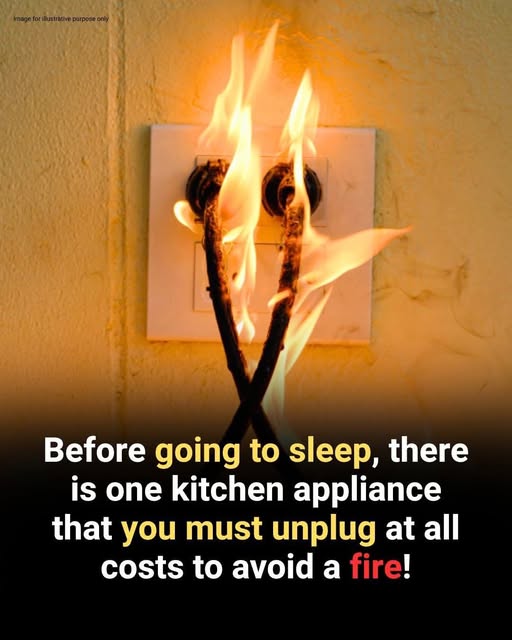
People often assume unplugging is about saving money, but there’s another benefit that matters more than most realize: safety. Old wiring, aging appliances, and cheap chargers can spark when left plugged in. Modern homes are safer than ever, but electrical fires still happen—and a surprising number originate from devices that weren’t even in active use. Pulling the plug adds a layer of protection and peace of mind. It stops energy flow at the source.
That small act doesn’t just lower your bill—it reduces fire risk and extends the lifespan of your gadgets by preventing unnecessary wear.
And yes, the impact may feel small in the moment. The lamp on your end table won’t make or break your finances. But think about the rhythm of your home: all the things you plug in each day, all the appliances you leave behind when you go to work or sleep or travel. Every little reduction compounds. Every watt you don’t waste is money you don’t throw away.
If you’re looking to make the habit easy instead of tedious, power strips are your best friend. Plug clusters of devices—like your TV, speakers, or gaming setup—into one strip. Flip a single switch, and the whole corner of your home goes dark in a good way. No crawling behind furniture or hunting for cords.
Smart plugs take it even further. Control them from your phone, automate schedules, or track exactly how much power devices use. Once you see the numbers, the “vampire” nickname suddenly makes a lot more sense.
At the end of the day, unplugging appliances isn’t about becoming an energy-saving purist. It’s about being aware of how your home works, how much unnecessary power trickles out daily, and how a few habits can keep your bill lean and your home safer. You’re not expected to unplug every device, every time. But choosing the easy wins—chargers, kitchen gadgets, entertainment devices, anything that’s not essential—actually makes a meaningful difference.
People often ask if it’s worth the trouble. Here’s the truth: you’ll notice the savings faster than you expect. And even if the financial payoff takes a month or two to show up, the peace of mind is immediate.
Unplugging doesn’t take much effort. But the results? Those accumulate quietly—just like the wasted energy you’re finally stopping.
Sometimes the smartest solutions aren’t complicated. Sometimes, they’re as simple as pulling a plug.

