Basil is easy to grow at home, but if you want your plant to last a long time, you need to take a few precautions. Here’s a complete guide on how to harvest, store, and care for your homegrown basil plants to keep them bushy and lush.
Of all the aromatic herbs in existence, basil is the most beloved and used. A small but mighty wonder of nature, this little plant is an ingredient that can add flavor to dishes and also boasts a number of benefits, including anti-inflammatory and antibacterial properties. It’s available pre-washed, in handy (but not very sustainable) plastic containers, fresh, or frozen, but it’s actually very easy to keep at home: you can grow it in a pot, place it on your balcony, in your garden, or on your windowsill, and always have it on hand. The basil plant is actually one of the most suitable for growing at home, because it does not require much attention, only water, a well-lit place and careful harvesting, so that we can have a plant that is always lush, green and fragrant. Here is a simple and comprehensive guide that will help you learn how to properly pick, cut and store basil so as not to damage the plant and keep it healthy and productive for a long time.
How to pick basil without damaging the plant
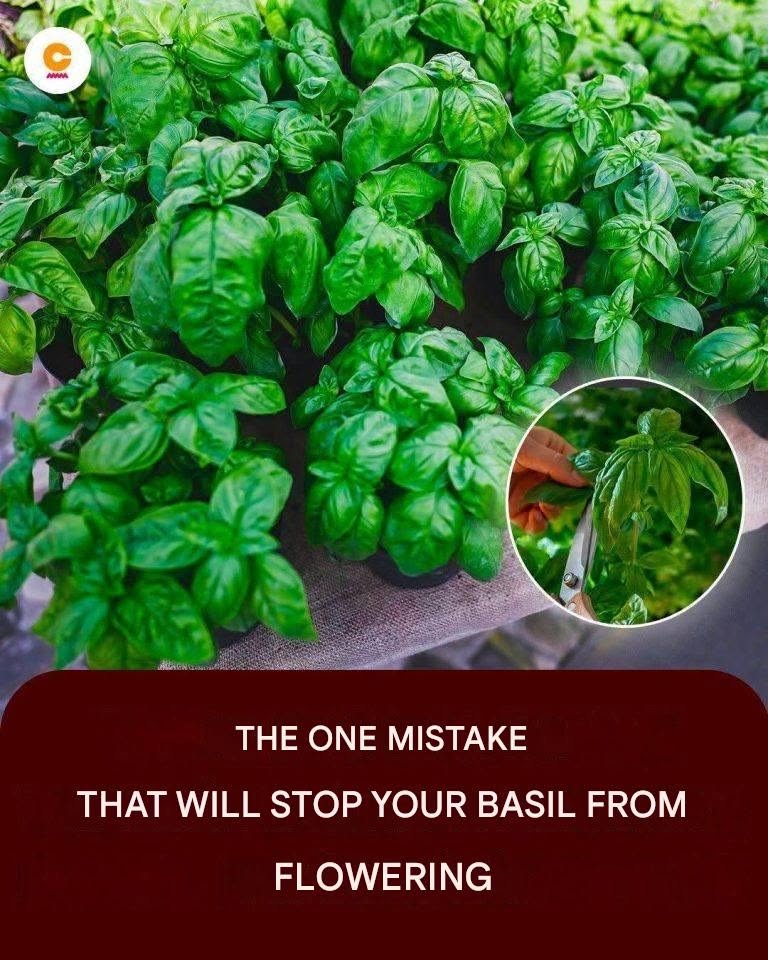
The most common mistake when harvesting basil leaves is to remove the lower leaves. Removing the lower leaves usually weakens the plant: by removing them, we deprive the stem and cause the basil to bloom prematurely. This mistake prevents the production of new leaves and reduces the vital energy produced by photosynthesis. To always have a lush and healthy basil plant, proper harvesting is essential. After planting, wait until the basil reaches a height of 12-15 centimeters and the leaves are 2-3 centimeters in diameter.
How to do it? Pick the leaves by hand or cut them with scissors, only removing the leaves at the top of the plant. Remove the flowers too: they are the end of the stem’s life cycle, so leaving them on the plant will inhibit the growth of new stems and leaves. They are also edible and have the same aroma as the leaves, so you can use them to decorate dishes or flavor sauces when cooking. Harvesting basil means “making it easy”: to do it correctly, always remove the leaves from the top, taking care not to break the main nodes of the plant. Try to remove the leaves from different points so that the plant has thick, lush foliage. The way you cut also affects the health of the plant: always use very sharp and clean scissors to avoid fraying the stem tissue, thus preventing the entry of parasites or fungal diseases.
How to Care for Store-Bought Basil: 4 Tricks for a Perfect Plant!
How to Keep Basil Alive?
As we’ve seen, basil doesn’t require much care, but we’ve all seen it wilt after a few weeks at least. Why didn’t your basil survive? It’s probably because you didn’t take the necessary precautions to keep it healthy. These plants need two main rules to survive: they need enough light, so make sure they always get sunlight, and the soil is constantly moist, but never soggy. Too much or too little water is bad for the plant, so always remember to water it regularly: every 2-3 days is enough in spring and fall; in summer, daily watering is best. Always avoid standing water, as this is bad for basil. Check with your finger to see if the soil is moist enough (if it feels dry, it’s time to water). When watering, avoid wetting the leaves and water early in the morning or at sunset to prevent the water from evaporating immediately in the sun.
Supermarket problem: Plants on the shelves are lush, lush and full of colorful flowers, then when you get home, they wilt, wilt and die. Why? It’s not your fault, nor your (little) green thumb, but the temperature in the supermarket and the pot that’s too small. How to fix this? After you buy it and bring it home, leave the plant in a place that’s not too sunny for a few days: this will prevent dangerous shock and give it time to get used to its new “habitat” before moving it to a warmer part of the house. The second reason why supermarket plants die quickly is the pot: plants on the shelves are often planted with several plants that cannot grow due to limited space. The solution to this problem is very simple: a few days after purchase, do not forget to separate and plant the roots one by one; this way you will have many new, lush plants.
Another essential step is to prune, or remove, the vegetative top of the plant: basil grows vertically and the young buds “bloom” at the top of the stem, which gradually grows higher. Pruning a basil plant means cutting off the tip (top) of the stems, this practice stops vertical growth and encourages the plant to produce new branches and leaves, making it bushier and more lush. It also prevents premature flowering, which would cause the leaves to lose their flavor. How to prune: Identify the node, or point where pairs of new small leaves emerge, and cut the stem about half a centimeter from this point. This will encourage the growth of new lateral branches, making the plant bushier and more lush.
How to store picked basil
How can you preserve basil after picking to make it last as long as possible? There are several options, all very simple and effective:
Bouquet with stems: if you want to keep it for a few days, simply place the bunch in a jar filled with water, making sure to change the water once a day.
Leaves: once cleaned and dried with a clean tea towel, the collected leaves can be stored in the refrigerator for a few days, preferably in a sheet of kitchen paper, in an airtight bag or jar.
Long-term preservation: in such cases, we can choose to freeze, dry or preserve it in oil, so it is available all year round.