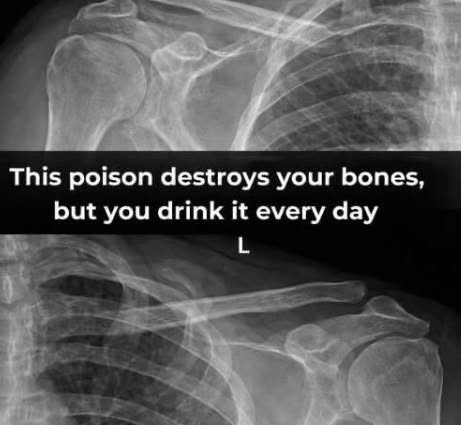
It’s sitting in your refrigerator. It’s on restaurant tables, at family gatherings, in office vending machines, and in nearly every convenience store across the country. Millions of people drink it every day without giving it a second thought. But health experts say that what seems like a harmless refreshment could be having a much bigger impact on your body than most people realize. From hidden sugars and excess calories to effects on sleep, dental health, and long-term wellness, soft drinks have become one of the most debated beverages in modern nutrition. The good news is that making smarter choices doesn’t require giving them up completely—it starts with understanding what’s really inside the can.
Soft drinks remain among the most popular beverages in the world. Their sweet taste, convenience, affordability, and widespread availability have made them a staple in many households. Whether enjoyed with a meal, during social gatherings, or as a quick refreshment during a busy day, they have become deeply embedded in everyday routines.
Despite their popularity, health professionals continue to encourage consumers to be mindful of how often they consume soft drinks. While enjoying one occasionally is unlikely to cause significant harm for most people, regular consumption may gradually affect overall health in ways that are easy to overlook.
One of the primary concerns surrounding many soft drinks is their high sugar content. A single serving can contain a surprising amount of added sugar, often exceeding what some health organizations recommend for an entire day. Because these beverages are easy to consume quickly and do not create the same feeling of fullness as solid foods, people can take in a significant number of calories without realizing it.
Over time, this extra calorie intake can contribute to weight gain. Unlike nutrient-dense foods that provide vitamins, minerals, fiber, and protein, many soft drinks offer little nutritional value while adding substantial amounts of sugar and calories to the diet. This imbalance can make it more difficult for individuals to maintain healthy eating habits and achieve long-term wellness goals.
Another issue is that sweetened beverages can gradually replace healthier choices. Instead of reaching for water, milk, or other nutrient-rich drinks, some individuals develop a habit of choosing soft drinks as their primary source of hydration. This shift may reduce overall nutrient intake while increasing exposure to added sugars.
Health experts often emphasize that hydration is one of the body’s most important needs. Every organ depends on adequate fluid intake to function properly. Water supports digestion, circulation, temperature regulation, joint health, and countless other processes. When soft drinks replace water too frequently, individuals may miss an opportunity to support these essential bodily functions in the most effective way possible.
Caffeine is another ingredient commonly found in many soft drinks. While moderate caffeine consumption is generally considered safe for most healthy adults, excessive intake can create challenges. Some people are particularly sensitive to caffeine and may experience nervousness, restlessness, headaches, increased heart rate, or difficulty sleeping.
Sleep quality is especially important because it affects nearly every aspect of physical and mental health. Poor sleep can influence energy levels, mood, concentration, immune function, and overall well-being. Consuming caffeinated soft drinks late in the day may interfere with the body’s natural sleep cycle, making it harder to fall asleep and achieve restorative rest.
Dental health is another area where soft drinks often receive attention from healthcare professionals. Many of these beverages contain acids that can gradually weaken tooth enamel. Enamel serves as the protective outer layer of the teeth, and once it is damaged, it cannot regenerate naturally.
The combination of sugar and acidity creates a particularly challenging environment for oral health. Bacteria in the mouth feed on sugar and produce acids that can contribute to tooth decay. When acidic beverages are consumed frequently throughout the day, teeth may experience prolonged exposure that increases the risk of cavities and enamel erosion.
Fortunately, simple habits can help reduce these risks. Drinking water after consuming soft drinks, avoiding prolonged sipping, maintaining proper oral hygiene, and attending regular dental checkups can all contribute to better dental health.
Public health experts increasingly encourage consumers to become more aware of nutrition labels. Many people are surprised when they examine the amount of sugar, calories, and other ingredients contained in their favorite beverages. Reading labels allows individuals to make more informed decisions that align with their personal health goals.
Understanding serving sizes is equally important. A bottle may contain multiple servings, meaning the nutritional information listed on the label might represent only a portion of the beverage. Without paying attention to serving sizes, consumers may unintentionally consume far more sugar and calories than they expected.
The encouraging news is that small changes can produce meaningful results over time. Health improvements do not necessarily require drastic restrictions or complete elimination of favorite foods and drinks. Instead, many experts recommend focusing on balance and consistency.Multi-Vehicle Crash Analysis
For example, replacing just one daily soft drink with water can significantly reduce annual sugar and calorie intake. Choosing sparkling water, flavored water with no added sugar, unsweetened tea, or other lower-sugar alternatives can also help satisfy cravings while supporting healthier habits.
These gradual adjustments are often easier to maintain than extreme dietary changes. Building sustainable habits tends to produce better long-term outcomes because they become part of everyday life rather than temporary solutions.
Parents and caregivers are increasingly paying attention to beverage choices for children and teenagers as well. Developing healthy hydration habits early in life can help establish patterns that continue into adulthood. Encouraging water as the primary beverage choice may reduce dependence on sugary drinks and promote healthier lifestyle habits over time.
At the same time, experts acknowledge that enjoyment remains an important part of a balanced lifestyle. Food and beverages often carry social, cultural, and emotional significance. Completely eliminating favorite treats is not always necessary or realistic. Instead, moderation allows individuals to enjoy soft drinks occasionally while maintaining a focus on overall health.
The goal is not perfection but awareness. Understanding what you consume empowers you to make choices that support both immediate enjoyment and long-term wellness. Small decisions repeated consistently often have the greatest impact over time.
Ultimately, water remains the gold standard for hydration. It supports the body’s needs without adding sugar, calories, or unnecessary ingredients. Soft drinks can still have a place as an occasional treat, but making water the foundation of daily hydration provides the strongest support for overall health.
In a world filled with countless beverage options, informed choices matter. By paying attention to nutrition labels, reducing excess sugar intake, staying mindful of caffeine consumption, and prioritizing hydration, individuals can create healthier habits that benefit them for years to come. The secret isn’t giving up everything you enjoy—it’s finding the balance that allows both enjoyment and long-term wellness to coexist.