
Why Cramps Happen
Cramps are linked to:
Loss of minerals (electrolytes) through sweat
Dehydration
Certain medications (like diuretics)
When your body lacks key minerals:
muscles can’t relax properly → they stay contracted → pain starts
The 2 Key Minerals Your Muscles Need
1. Magnesium → Muscle Relaxation
2. Potassium → Muscle Function & Balance
Without enough of these:
Muscles tighten
Recovery slows
Cramps become more frequent
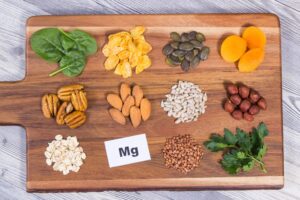
Foods Rich in Magnesium
Healthy food containing magnesium, fiber and other vitamins or minerals
Foods Rich in Potassium
Add these to your diet:
Green vegetables: spinach, broccoli, zucchini
Nuts: almonds, cashews, walnuts
Legumes: beans, chickpeas
Whole grains
Fruits: bananas, avocado, dried apricots
These help muscles relax properly
Don’t Forget Water (This Is Critical)
Hydration is just as important as food.
General guideline:
Men: ~2.5 liters/day
Women: ~2 liters/day
More if you:
Exercise
Sweat a lot
Are in hot weather
Even with good nutrition, dehydration alone can trigger cramps
Simple Daily Strategy
To reduce cramps:
Eat a varied diet (especially plant-based)
Include magnesium + potassium daily
Stay consistently hydrated
Adjust intake during exercise or heat
Key Takeaway
Muscle cramps are often not random—they’re your body signaling:
“I need minerals and water.”
Fix that consistently, and you’ll likely see fewer cramps.