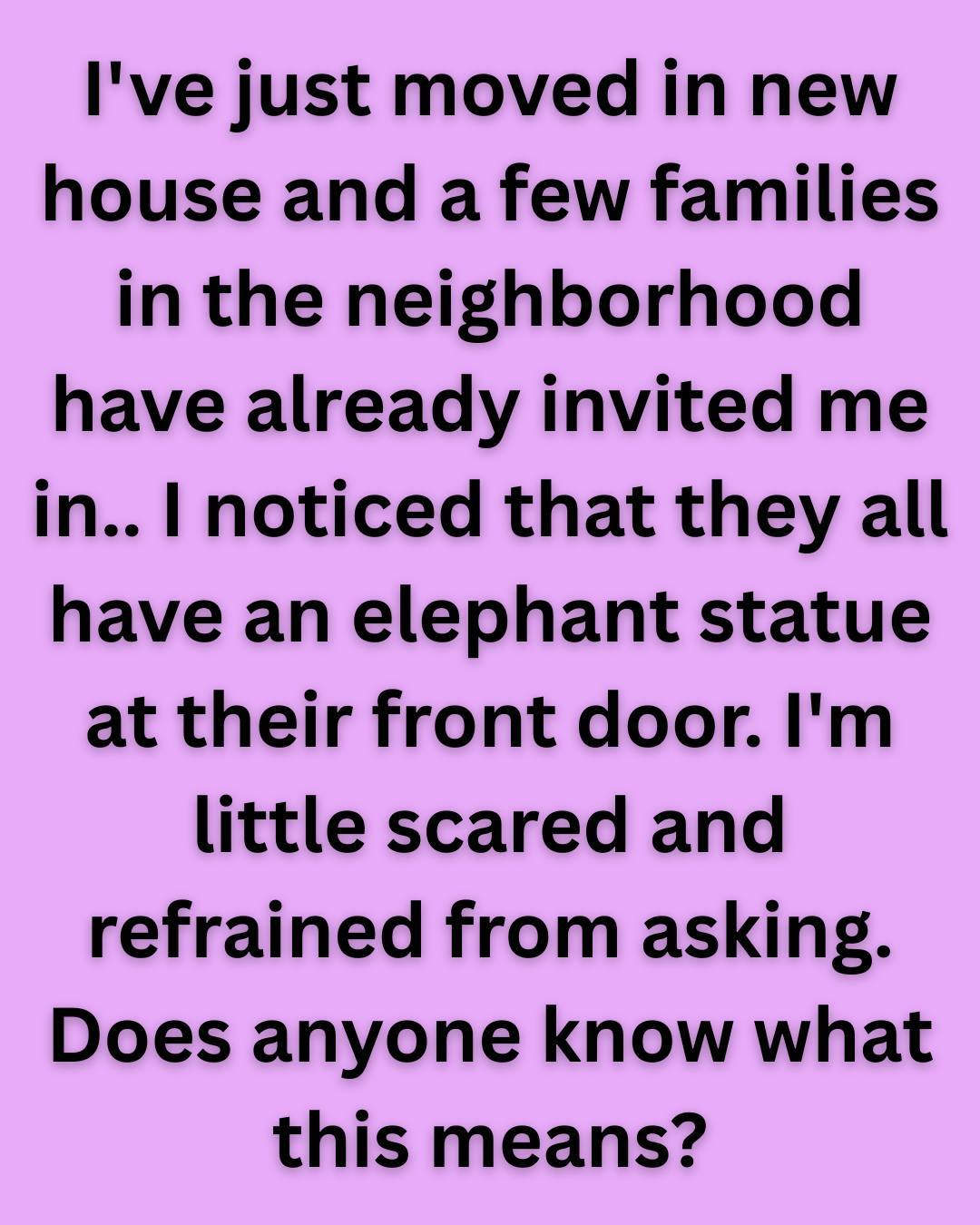
What an Elephant Statue at a Front Door Means
If you have ever walked past a home and noticed an elephant statue standing guard near the front door, you may have wondered whether it was placed there purely for decoration or if it carried a deeper meaning. Across cultures and centuries, elephants have been powerful symbols representing strength, wisdom, prosperity, protection, and good fortune. When positioned at a front entrance, their symbolism often becomes even more intentional.
An elephant statue at a front door is rarely random. For many homeowners, it reflects cultural heritage, spiritual beliefs, aesthetic preferences, or a desire to create a welcoming and protective atmosphere. The meaning can vary depending on the statue’s orientation, the position of its trunk, and the traditions that influence the household.
Let’s explore the layered meanings behind this powerful symbol and why so many people choose to place elephants at their doorstep.
The Elephant as a Universal Symbol
Elephants are among the largest and most intelligent land animals. In nature, they are known for their strong family bonds, long memories, and gentle but powerful presence. These traits have influenced how humans interpret their symbolism.
Across many societies, elephants represent:
Strength and stability
Wisdom and intelligence
Loyalty and family unity
Good luck and prosperity
Protection and guardianship
Because of these qualities, the elephant has become a widely respected emblem in art, architecture, religion, and home décor.
Elephants in Hindu Tradition
One of the most prominent cultural associations with elephants comes from Hinduism. The beloved deity Ganesha, known for his elephant head, is considered the remover of obstacles and the bringer of wisdom and prosperity. Many households in India and around the world display statues or images of Ganesha near entrances to invite blessings and ward off negativity.
In this context, placing an elephant statue near the front door can symbolize:
If the elephant faces outward, it is believed to guard the home and protect the inhabitants from outside negativity. If it faces inward, it symbolizes welcoming good fortune and positive energy into the home.
The Meaning of the Elephant’s Trunk Position
One detail people often notice is whether the elephant’s trunk is raised or lowered. This small feature carries symbolic weight.
Trunk Up
An elephant with its trunk raised is commonly associated with:
Good luck
Prosperity
Victory
Celebration
In many cultures, a raised trunk symbolizes showering blessings or triumph over adversity.
Trunk Down
A lowered trunk can represent:
Strength and grounding
Fertility
Stability
Calm energy
While some mistakenly believe that a downward trunk is unlucky, many traditions see it as a sign of steady power and resilience.
Ultimately, the meaning depends on the cultural lens through which it is viewed.
Elephants as Guardians
Throughout history, large statues have often been placed at entrances to symbolize protection. Lions, dragons, and mythical creatures frequently serve as guardians of temples and palaces. Elephants, with their immense size and natural authority, fulfill a similar symbolic role.
In some Southeast Asian cultures, elephants have long been associated with royalty and military power. Historically, war elephants were used in battles, reinforcing their image as formidable protectors.
Placing an elephant statue at the front door may represent:
Safeguarding the household
Shielding family members from misfortune
Projecting strength and security
Even in modern suburban settings, this symbolism persists — sometimes consciously, sometimes subconsciously.
Cultural Variations Around the World
Elephants appear in symbolism across many regions:
India
As mentioned earlier, elephants are sacred animals closely associated with spiritual wisdom and divine blessing.
Thailand
In Thailand, elephants are national symbols representing strength and good fortune. White elephants historically symbolized royal power.
Africa
Across African cultures, elephants often symbolize leadership, dignity, and ancestral wisdom. Their presence in art and sculpture reflects respect for their intelligence and social structure.
Western Interpretation
In Western décor trends, elephants are often viewed as exotic symbols of luck and prosperity. While the meaning may be less religious, it still reflects admiration for the animal’s qualities.
A Sign of Hospitality
In some interpretations, an elephant near the door symbolizes hospitality. Elephants are social creatures that live in tight-knit family groups. Their presence can suggest warmth, generosity, and a welcoming spirit.
A homeowner may choose this symbol to communicate that guests are entering a safe and inviting space.
Prosperity and Abundance
Because elephants require vast resources to survive — large territories, abundant water, and plentiful vegetation — they are sometimes associated with wealth and abundance.
In certain traditions, elephant statues are paired or displayed in groups to amplify this symbolism. A pair of elephants at the doorway may represent partnership, marital harmony, or balanced prosperity.
Memory and Longevity
The phrase “an elephant never forgets” highlights another symbolic association: memory and wisdom.
Elephants are known for their long lifespans and strong recollection abilities. As a symbol, they may represent:
Honoring family history
Respecting ancestors
Stability across generations
For some homeowners, placing an elephant at the entrance honors cultural roots or family heritage.
Aesthetic and Personal Meaning
Not every elephant statue carries deep spiritual intention. Sometimes, it is simply an artistic choice.
Modern Popularity in Home Design
In recent years, global décor trends have embraced symbolic accents inspired by international traditions. Elephant statues appear in bohemian, eclectic, and globally inspired interiors.
Design magazines and home décor retailers often feature elephant figurines as conversation pieces. Even without spiritual intent, the symbol’s positive associations make it appealing.
Is It Good Luck to Have an Elephant at Your Door?
Whether or not an elephant statue brings good luck depends largely on personal belief. Symbolism works through cultural meaning and psychological perception.
If a homeowner associates elephants with strength, wisdom, or protection, that belief can shape how they feel about their home environment. Feeling protected and optimistic may, in turn, influence behavior and mindset.
In that sense, the “luck” may be more about perspective than superstition.
A Symbol That Endures
Unlike fleeting décor trends, elephants have maintained symbolic importance for centuries. Their image appears in ancient temples, royal insignias, religious art, and contemporary design.
The enduring appeal of elephant statues reflects humanity’s admiration for the animal’s remarkable qualities.
An elephant statue at a front door can mean many things: protection, prosperity, wisdom, stability, hospitality, or simply artistic appreciation. Its meaning often depends on cultural background, spiritual belief, and personal intention.
In Hindu tradition, elephants are associated with Ganesha and divine blessing. In Feng Shui, they invite positive energy and guard against negativity. In other cultures, they symbolize strength, leadership, and abundance.
Whether placed for spiritual reasons or decorative charm, the elephant remains a powerful and enduring symbol. Standing at the threshold of a home, it quietly represents the hope that those inside are protected, prosperous, and surrounded by wisdom.