Some betrayals explode. Others unfold slowly, quietly, like a thread pulled loose from the hem of a life you thought was stitched tight. By the time you realize the fabric is unraveling, it’s already too late to stop it.
My name is Margaret Walsh. I was married to Troy Walsh for thirty-six years. We grew up side by side, built a family together, and shared a history so long it felt permanent. Two years ago, I divorced him after discovering hotel receipts and thousands of dollars missing from our bank account. He refused to explain. I refused to live in the dark.
Last week, I stood beside his casket.
And at the reception afterward, his father—three drinks past steady—leaned toward me and slurred, “You don’t even know what he did for you, do you?”
Three days later, a letter arrived in the mail. Troy’s handwriting. Dated months before his death.
It turns out I didn’t know him as well as I thought.
Troy and I met when we were five years old. Our houses shared a driveway on Maple Street, and our backyards melted into one another like they’d been designed for two children to grow up together. We built forts in the snow, caught lightning bugs in mason jars, and swore lifelong loyalty under the oak tree that straddled both properties.
By high school, friendship had shifted into something steadier, deeper. We went to prom together because the idea of going with anyone else felt absurd. We were each other’s first love, first heartbreak, first everything. When we married at twenty, no one was surprised. Our families had been waiting for it since we were ten.
We didn’t have much at the start. A cramped apartment above the hardware store. Heat that clanged all winter and neighbors who argued through paper-thin walls. We ate cheap pasta, split bills carefully, and planned a future that felt wide open.
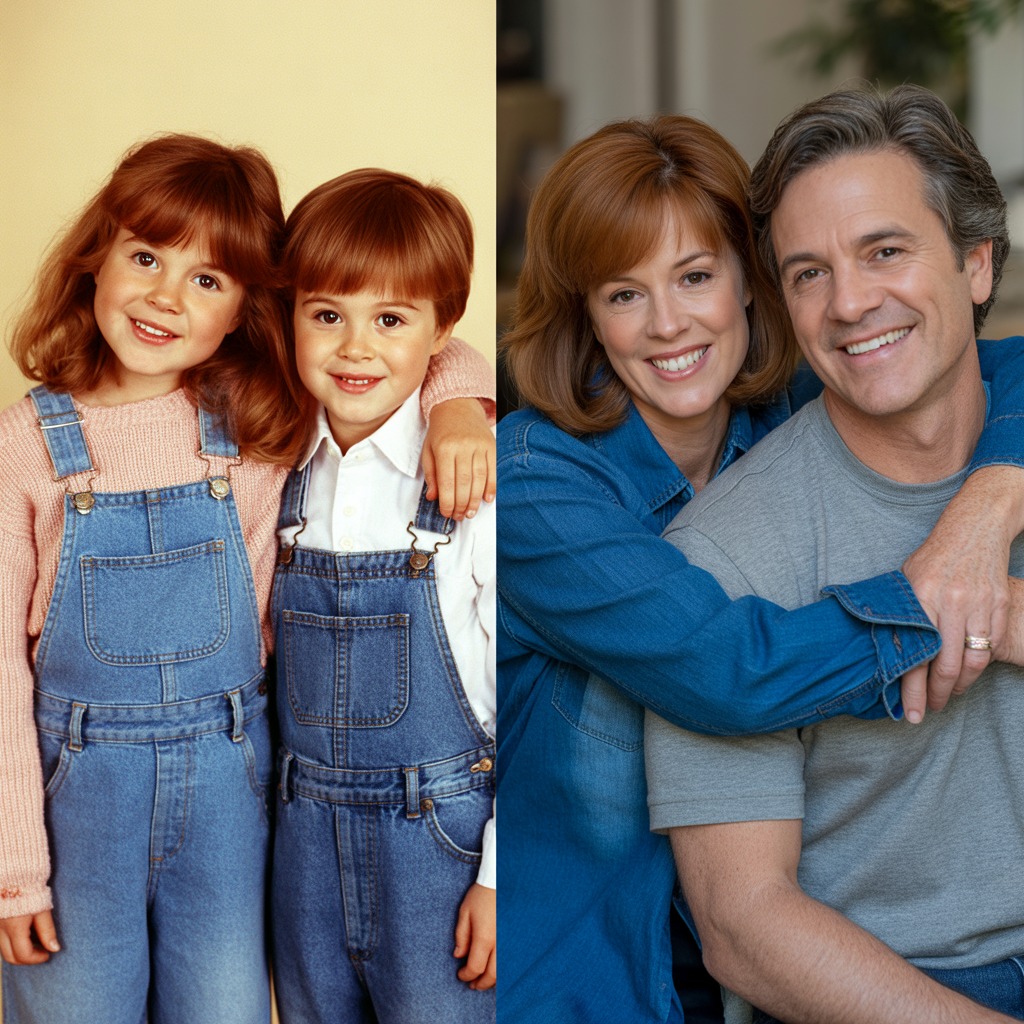
When our daughter Katie was born, Troy held her like something sacred. When our son Michael followed two years later, he insisted on teaching them everything himself—how to ride bikes, how to fish, how to balance a checkbook. “They should know they can stand on their own,” he’d say. “But they should also know I’ll always be there.”
We bought a modest house with a garden. Troy planted tomatoes because I loved them. He brought me coffee every morning for decades. We argued about dishes and money and parenting like any long-married couple, but we always made up before sleep. I believed we told each other everything.
That belief is what made the unraveling so brutal.
The first red flag appeared on an ordinary Tuesday. Michael had repaid part of a loan we’d given him, and I logged into our joint account to transfer the deposit into savings. The numbers didn’t add up.
The deposit was there. But the total balance was thousands lower than expected.
I combed through the transactions. Over four months, money had been quietly transferred—eight hundred dollars here, twelve hundred there—to an unfamiliar business account. Always on weekdays.
That night, I turned my laptop toward Troy.
“Did you move money out of checking?”
He barely glanced. “Paid some bills.”
“How much?”
“Couple thousand. It evens out.”
It didn’t even out.
A week later, while searching his desk for batteries, I found hotel receipts hidden beneath paperwork. Eleven stays. Same hotel. Same room number. All in Massachusetts—four hours away. Troy had no work there. No friends. No reason to go.
I called the hotel pretending to be his assistant.
“Oh yes, Mr. Walsh,” the concierge said brightly. “Room 314. He’s one of our regulars.”
Regular.
That word hollowed something out in me.
When I confronted him, I laid the receipts on the kitchen table between us like a line we both knew had been crossed.
“What is this?”
“It’s not what you think.”
“Then tell me what it is.”
He stared at the papers. At the counter. At the wall behind me. Anywhere but my face.
“I’m not doing this,” he finally said. “You’re blowing it out of proportion.”
The dismissal cut deeper than any confession would have.
“Troy, money is missing. You’ve been lying about where you go. I deserve the truth.”
“You’re supposed to trust me.”
“I did trust you.”
He shook his head. “I can’t do this right now.”
“Can’t or won’t?”
Silence.
I asked again the next morning. Same silence. Same wall.
So I called a lawyer.
The divorce was clinical. Efficient. No screaming matches. No exposed mistress. No gambling addiction discovered. No hidden family revealed. Just an absence where explanation should have been.
He moved into a small apartment across town. I kept the house. We divided accounts, sold the cabin, signed papers like strangers dissolving a business partnership instead of a marriage.
What haunted me wasn’t rage. It was the void. I never learned why.
Then he died.
A heart attack, sudden and final.
At the funeral, I stood beside our grown children and listened to people describe the steady, dependable man I thought I’d known. His father cornered me afterward, whiskey thick on his breath.
“You think he betrayed you,” he muttered. “You don’t even know what he did for you.”
I didn’t ask him to elaborate. I was too tired.
Three days later, the letter arrived.
Margaret,
If you’re reading this, it means I waited too long to tell you the truth.
The first line made my hands shake.
Six months before the hotel stays began, Troy had been diagnosed with a degenerative neurological disorder. Early onset. Progressive. There was no cure. Only management. The doctors had recommended experimental treatment at a specialist clinic in Massachusetts.
Room 314.
He wrote that he didn’t tell me because he couldn’t stand the idea of becoming a burden. He had watched his own mother deteriorate for years and had sworn he’d never put someone he loved through that.
He’d withdrawn money to pay for treatments insurance didn’t cover. He’d told no one except his father.
I didn’t leave you for another woman, he wrote. I left because I didn’t want you to watch me disappear piece by piece.
He admitted he had hoped the treatment would work. That he would return home “fixed” and tell me everything after the threat had passed. When it didn’t work, shame took over. He couldn’t bear to see pity in my eyes.
So he chose silence.
You asked me to trust you with the truth, he wrote. I failed you. Not because I stopped loving you, but because I loved you so much I thought protecting you meant pushing you away.
I read the letter three times before I could breathe normally again.
Anger didn’t vanish. He had taken my choice. He had decided for both of us that I couldn’t handle it. That I’d rather lose him entirely than stand beside him through illness.
But woven into the hurt was understanding.
He hadn’t been cheating. He hadn’t been wasting money. He had been fighting alone in a hotel room four hours away, trying to preserve the image of himself as strong and capable.
He had chosen pride over partnership.
And I had chosen certainty over patience.
At the end of the letter, he wrote:
You deserved the truth. I just didn’t know how to give it without breaking us.
He was wrong. The lie is what broke us.
But I also see now that fear speaks louder than love sometimes. He was terrified of becoming dependent, of watching me shift from wife to caretaker. He thought he was sparing me.
Instead, we lost two years we could have spent differently.
I can’t change that. I can’t rewind the day I placed hotel receipts on the table and demanded answers. I can’t undo the papers we signed.
But I can let go of the story I told myself—that he didn’t love me enough to be honest.
He loved me too fiercely to be vulnerable.
That was his flaw. And perhaps mine too.
Grief is strange when mixed with revelation. I mourn the husband I buried. I also mourn the marriage we could have salvaged if he had trusted me with his weakness.
I have learned this much: love does not die from illness. It dies from isolation.
If there is any peace in this, it’s knowing the man I married never stopped loving me. He just didn’t know how to let me see him afraid.
And sometimes, the tragedy isn’t that someone leaves.
It’s that they try to protect you from the very thing you would have chosen to face together.