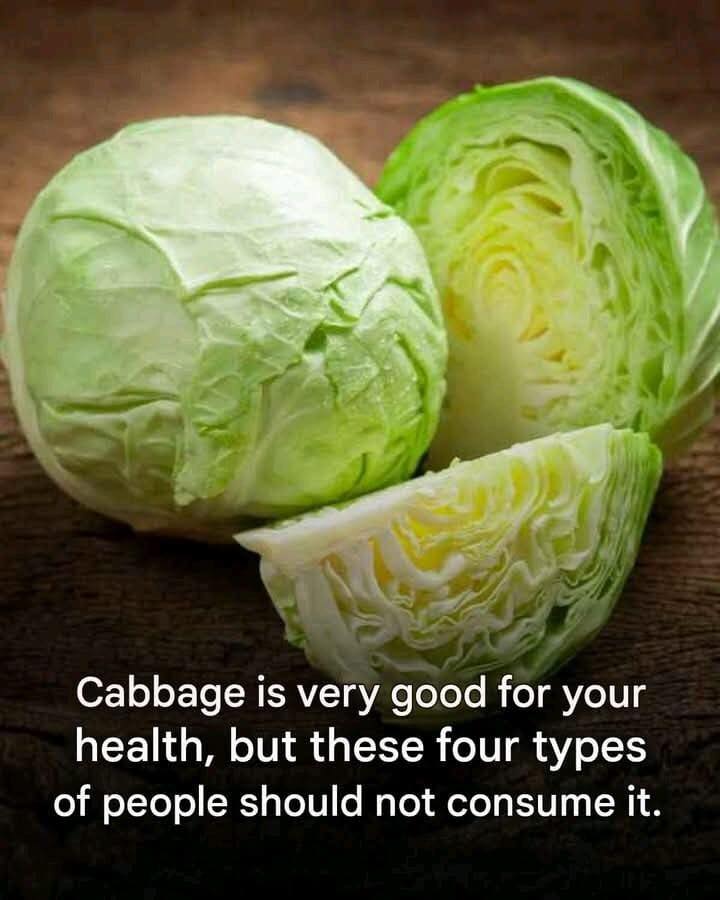
Cabbage is often praised as a nutritious vegetable. It’s rich in vitamin C, vitamin K, fiber, and antioxidants that support digestion, immunity, and heart health. Whether eaten raw in salads, fermented into sauerkraut, or cooked in soups and stir-fries, cabbage is a common ingredient in many cuisines around the world.
However, like many healthy foods, cabbage isn’t ideal for everyone. For certain individuals, eating cabbage may trigger discomfort or even worsen existing health conditions. Understanding who should limit or avoid cabbage can help prevent unnecessary digestive problems and other complications.
Below are four types of people who may need to be cautious with cabbage.
1. People with Thyroid Problems
Cabbage belongs to the cruciferous vegetable family, which also includes broccoli, kale, and Brussels sprouts. These vegetables contain natural compounds called goitrogens. Goitrogens can interfere with the body’s ability to absorb iodine, a mineral that is essential for normal thyroid function.
For most healthy people, moderate consumption of cabbage is not an issue. But individuals with hypothyroidism or iodine deficiency may want to limit large amounts of raw cabbage. Excessive intake could potentially make it harder for the thyroid gland to produce hormones properly.
Cooking cabbage can significantly reduce the goitrogen content, making it safer for those who still want to enjoy it occasionally.
2. People with Sensitive Digestive Systems
Cabbage is high in fiber and contains certain carbohydrates that are difficult for some people to digest. During digestion, these compounds can ferment in the gut and produce gas.
For people with irritable bowel syndrome (IBS) or sensitive stomachs, cabbage may cause symptoms such as bloating, abdominal discomfort, and excessive gas. Raw cabbage tends to be more problematic because it is tougher and harder to break down.
If you have a sensitive digestive system, smaller portions of well-cooked cabbage may be easier to tolerate.
3. People Taking Blood-Thinning Medications
Cabbage is rich in vitamin K, a nutrient that plays a key role in blood clotting. While vitamin K is essential for health, it can interfere with certain blood-thinning medications such as warfarin.
Sudden increases or decreases in vitamin K intake may reduce the effectiveness of these medications or change how the blood clots. For individuals taking anticoagulants, maintaining a consistent intake of vitamin K is very important.
This doesn’t necessarily mean cabbage must be completely avoided, but large or unpredictable amounts should be discussed with a healthcare professional.
4. People Prone to Kidney Stones
Some varieties of cabbage contain moderate levels of oxalates, naturally occurring compounds that can contribute to the formation of certain types of kidney stones, particularly calcium oxalate stones.
People who have a history of kidney stones may need to monitor foods that contain oxalates as part of their diet. While cabbage is not among the highest-oxalate foods, consuming very large quantities regularly could potentially increase risk for susceptible individuals.
Drinking plenty of water and maintaining a balanced diet can help reduce the likelihood of stone formation.
The Bottom Line
Cabbage is a nutritious and versatile vegetable that can be part of a healthy diet for most people. Its fiber, vitamins, and plant compounds offer many benefits, from supporting digestion to boosting the immune system.
However, individuals with thyroid conditions, sensitive digestion, those taking blood thinners, or people prone to kidney stones may need to be more cautious about how much cabbage they eat.
As with many foods, moderation and personal awareness are key. If you have a medical condition or are taking medications, it’s always a good idea to consult a healthcare professional before making significant dietary changes.