Can Some Vegetables Really Cause Cancer? Unmasking the Myths and Knowing the Facts
In the age of social media, we often come across alarming headlines such as:
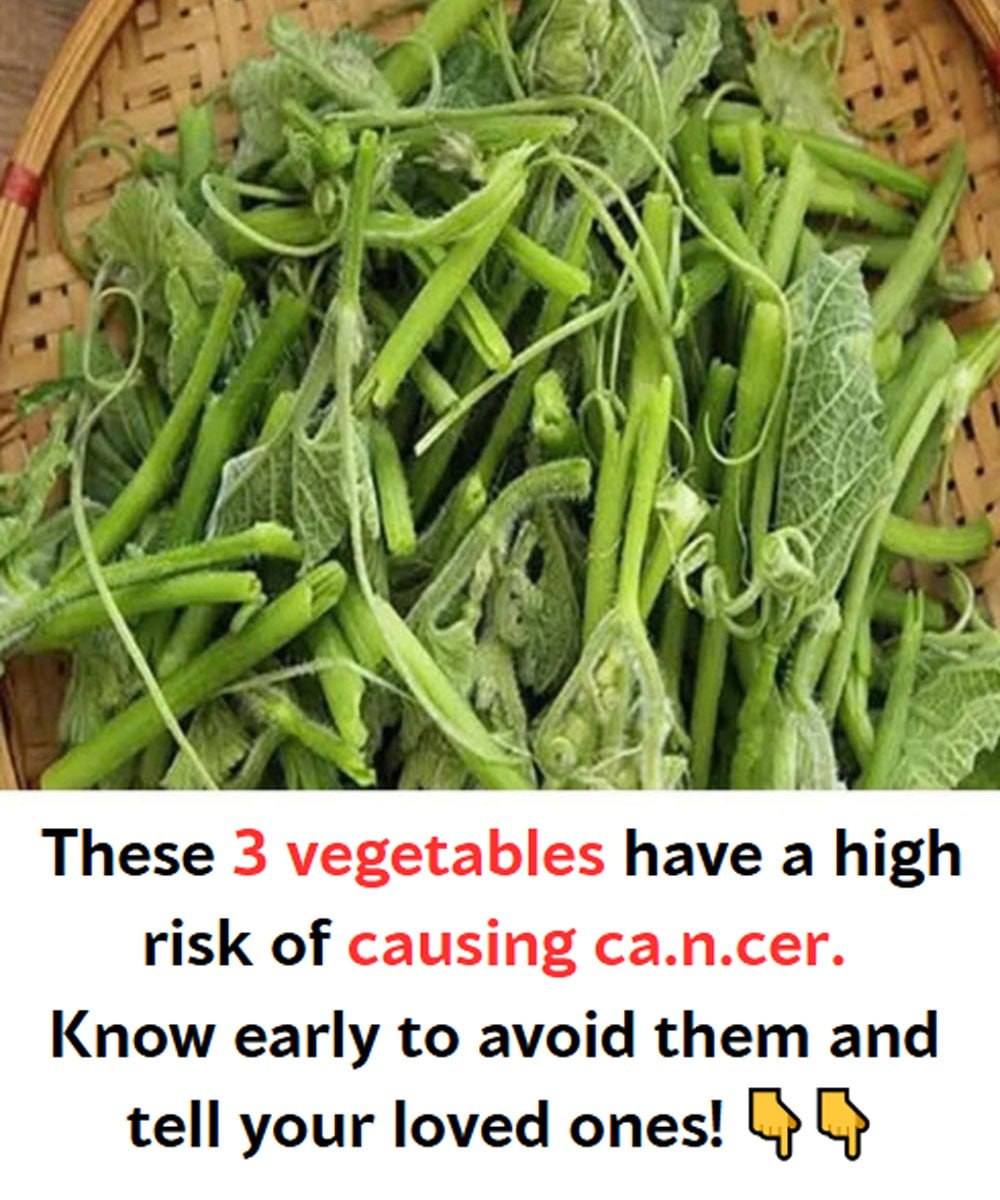
“These 3 vegetables have a high risk of causing cancer. Know early to avoid them!”
These types of statements, often accompanied by shocking images or bold red text, aim to attract attention—but they may not always be based on truth.
So, what’s the reality behind these claims? Can vegetables—often seen as the cornerstone of a healthy diet—really be harmful? Let’s separate myth from reality using science-backed information.
Vegetables and Cancer: A Complex Relationship
Vegetables are generally protective against cancer, not the cause.
Many studies from the World Health Organization (WHO), the American Institute for Cancer Research (AICR), and the Harvard School of Public Health emphasize the benefits of a plant-based diet.
Vegetables provide:
Antioxidants
Phytochemicals
Vitamins and minerals
These nutrients help prevent DNA damage, reduce inflammation, and support immunity—all of which help lower cancer risk.
Where Did the Fear Come From?
In rare cases, vegetables may pose a cancer risk—but usually due to contamination, improper storage, or processing. These situations are often exaggerated into misleading posts. Here are three real, science-based scenarios:
1. Vegetables with High Pesticide Residue
Leafy greens like spinach, kale, and gourds often top the “Dirty Dozen” list by the Environmental Working Group (EWG) due to pesticide residue.
Some pesticides—such as glyphosate—have been classified as “probably carcinogenic to humans” by the International Agency for Research on Cancer (IARC).
🔹 Prevention Tip:
Wash all vegetables thoroughly. Choose organic versions of high-risk produce. Soak in salt water or a baking soda solution to reduce residue.
2. Pickled or Preserved Vegetables (In Excess)
In some Asian diets, pickled vegetables are a staple. However, regular, excessive consumption of heavily salted or fermented vegetables has been linked to stomach cancer, especially in Korea and Japan.
The culprits:
High salt content (which may damage stomach lining)
Nitrosamines (carcinogenic compounds formed during fermentation)
🔹 Prevention Tip:
Enjoy pickled foods occasionally. Store them properly (refrigerated) and consume within safe time limits.
3. Rotten or Moldy Vegetables
Improperly stored vegetables in humid environments can grow mycotoxins, especially aflatoxins, which are toxic and linked to liver cancer.
🔹 Prevention Tip:
Never eat moldy, slimy, or foul-smelling vegetables. Even if you cut off the visible mold, hidden toxins may remain.
What About Bitter Vegetables Like Gourd Shoots?
The vegetable in the original image likely shows bitter gourd shoots (Momordica charantia), commonly eaten in Asia. They’re not carcinogenic.
However, in rare cases, high levels of cucurbitacins in overly bitter gourds or zucchini can cause vomiting or poisoning—but not cancer.
🔹 Prevention Tip:
Taste a small piece before cooking. If it’s unusually bitter, discard it.
What You Should REALLY Avoid
While vegetables are mostly safe, here are real dietary risks associated with cancer:
Red and processed meats (linked to colorectal cancer)
Sugary drinks (linked to obesity-related cancers)
Overcooked or charred foods (contain HCAs and PAHs)
Ultra-processed foods (high in additives, low in nutrients)
Should You Stop Eating Vegetables?
Absolutely not.
A colorful, plant-rich diet is one of the best ways to prevent cancer.
✅ Wash produce thoroughly
✅ Store properly
✅ Limit pickling and high-salt preservation
✅ Cook with healthy methods (steaming, stir-fry, boiling)
How to Protect Your Family from Misinformation
Sensational posts often try to sell unverified “detox” products. Ask yourself:
Does the post cite trusted medical sources?
Are the claims backed by evidence?
Does it inform—or scare?
Trust sources like:
World Health Organization (WHO)
American Cancer Society
Harvard Health
Mayo Clinic
Conclusion: The Real Danger Is Misinformation, Not Vegetables
Stay alert, not alarmed. Vegetables are among the healthiest foods you can eat.
The next time you see a scary post telling you to avoid “3 cancer-causing vegetables,” take a deep breath, check the facts, and then go enjoy a fresh, healthy salad.